
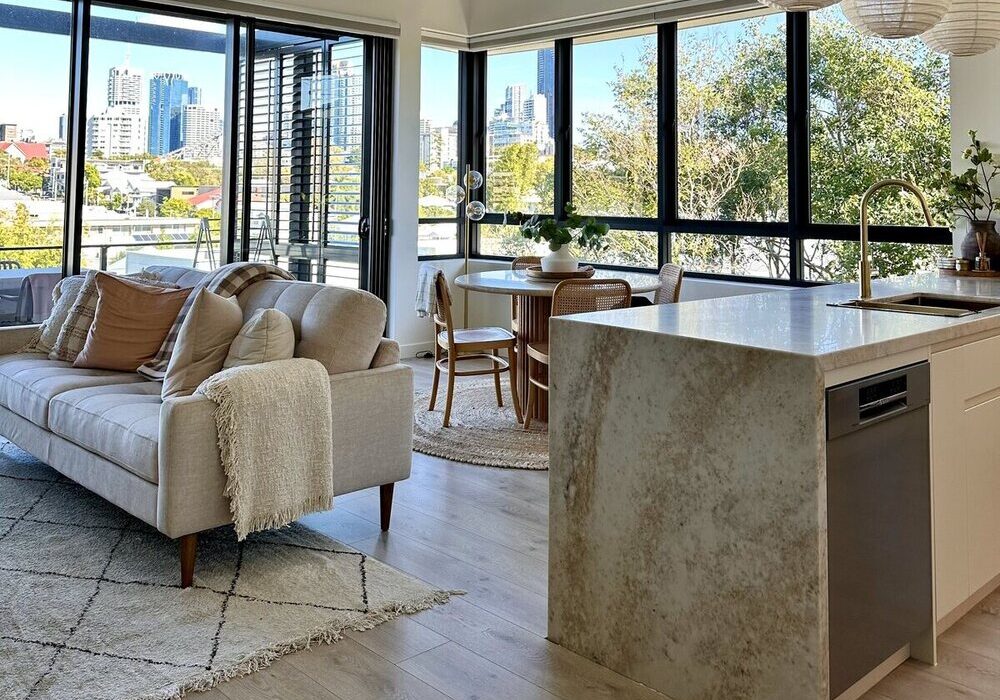
One question every renter asks is: how clean does a rental property need to be for inspection? The simple answer is “reasonably clean,” with appliances and utilities in good working condition.
Save yourself a headache and keep your bond secure with this handy breakdown of rental inspections — including what to expect and how to clean!
Cleanliness Standards | Rental Inspection Checklist | Preparing for Inspection | What to Clean | Inspection Guidelines by State/Territory | Common Concerns
Overview of Rental Inspections
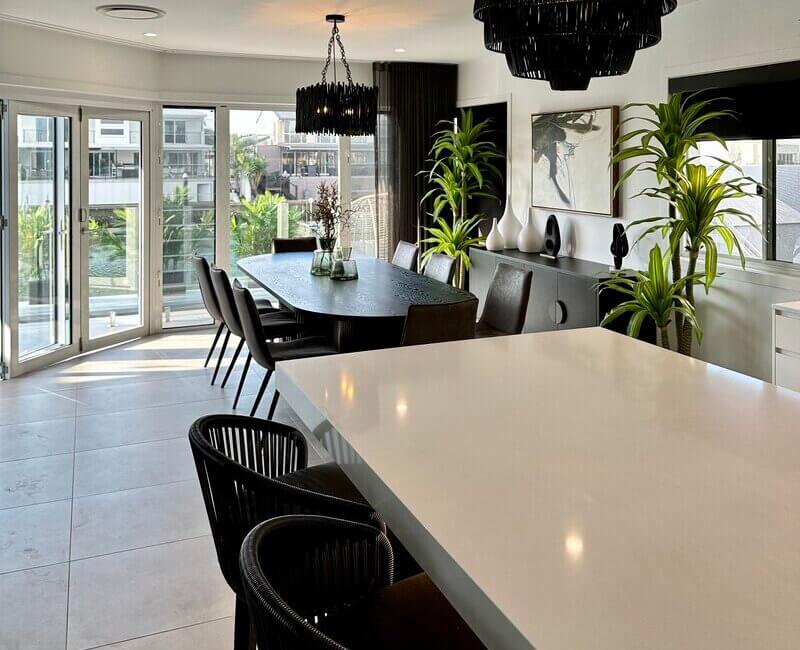
A rental property inspection is a routine part of renting in Australia, but it doesn’t have to be stressful!
By understanding what landlords or property managers actually check for, you can prepare and take the anxiety out of inspection day.
Remember: your rental is an investment, so the owner wants to ensure the space is well-maintained.
What is a rental property inspection for?
Rental property inspections are a routine part of tenancy agreements! They’re conducted to assess the property’s condition and identify anything that needs repair, maintenance, or replacement.
Inspections legally protect your rights as a tenant and your landlord’s investment. They’re also an opportunity to raise maintenance concerns with your landlord, like unusual odours from pipes or leaky faucets.
Moreover, they help maintain a clean, safe living environment and prevent potential health or safety hazards.
What should I expect in a routine inspection?
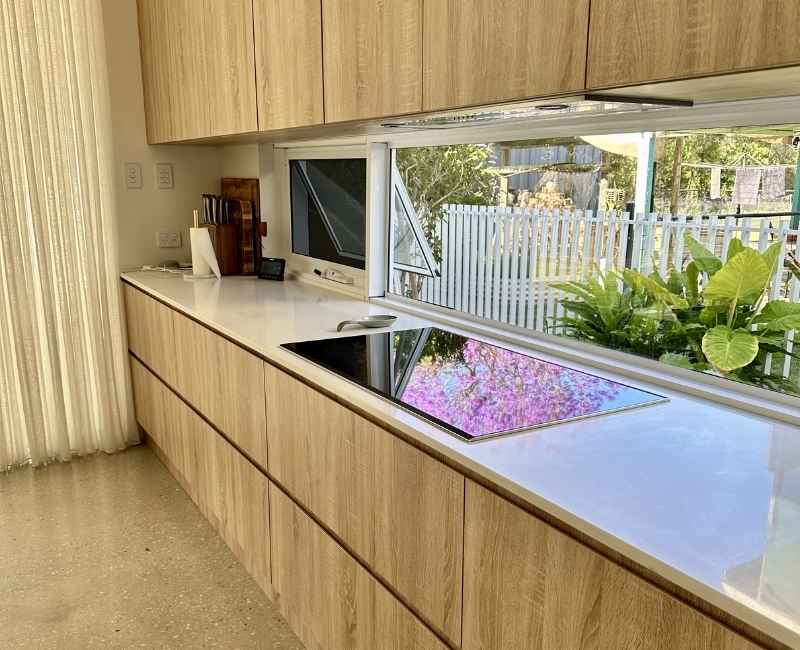
Generally, a property manager, landlord, or real estate agent will look for three things during a rent inspection:
- Damages or things in need of repair (e.g. cracked floors)
- Security or safety issues (e.g. broken locks or fire hazards)
- Overall cleanliness and property maintenance
The inspector will walk through each room, taking notes and possibly photos. They may open cupboards, test taps/switches, and check windows or doors. You’re welcome to accompany them and ask questions!
On average, a rental inspection takes 30–60 minutes, though this depends on the size and condition of the property. Local regulations typically allow up to 2 hours.
What can a landlord look at during an inspection?
A landlord or property manager can inspect all rooms and outdoor spaces, including cupboards and storage areas that came with the rental property (such as built-in wardrobes).
They can only inspect for damage or maintenance issues, and may take photos of the property as references for repairs or lease breaches.
They cannot go through private belongings or furniture and storage you personally purchased, unless you provide permission.
Can I refuse a rental inspection?
Generally, you cannot refuse a routine rental inspection unless there are reasonable grounds, such as:
- The visit is outside the allowable times or days
- The required notice time or period was not followed
- An inspection already occurred within the allowable timeframe
If you’re unsure whether an inspection is lawful, contact your state’s tenancy authority before refusing entry.
What is Considered Reasonably Clean for a Rental?
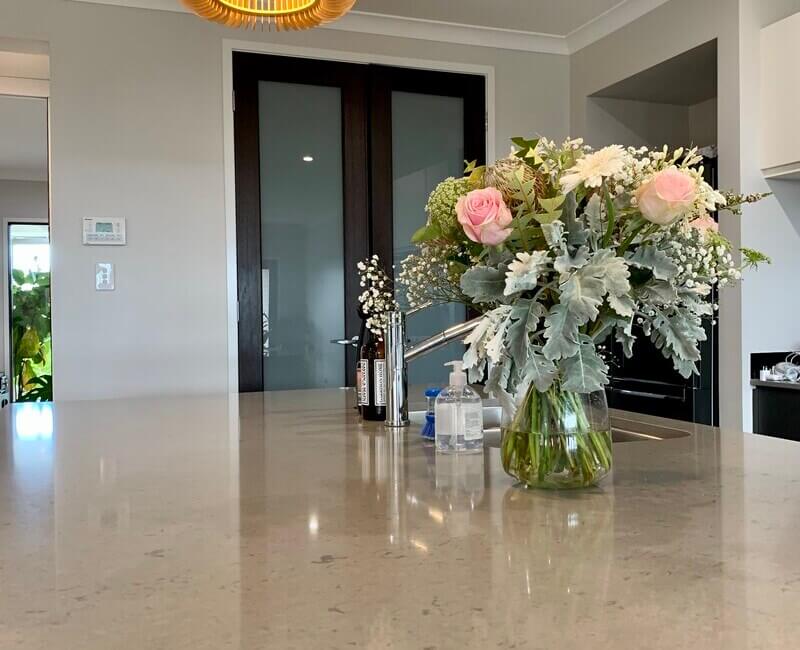
“Reasonably clean” means that the property should be in a similar condition to when you move in, accounting for normal wear and tear. Aim for “presentable, but lived in.”
Consumer Affairs in your state or territory may have its own definition of “reasonably clean,” so check there first.
Take Consumer Affairs Victoria, which states that surfaces should be “free from dirt, cobwebs, stains, and dust,” and that extra cleaning wouldn’t change things. If your benchtop is clean, for example, then additional wiping won’t remove any more dirt!
“Reasonably clean” includes things like:
- Tidy, dust-free cupboards and surfaces
- Appliances free of grease and food stains
- Carpets vacuumed and free of stains/spills
- Walls free of excessive dirt, marks, or mould
- Outdoor areas reasonably maintained (no weeds or rubbish)
It’s important to understand the distinction between general dirt (which you’re responsible for cleaning) and wear and tear (which you’re not). Faded paint or worn carpet aren’t cleanliness issues, but expected deterioration over time.
Meanwhile, damage (like broken taps or faulty appliances) is the landlord’s responsibility. Don’t attempt repairs yourself — just report them!
A property manager may compare the current state to your condition report from moving in, as renters cannot be expected to keep a property cleaner than when they moved in.
Rental Inspection Checklists in Australia
Property managers and real estate agents often give out a rental inspection checklist (or house inspection checklist). These are great references for tenants to know when and how to clean for a rental inspection.
These checklists will contain important considerations for tenants, such as:
- Making sure locks and windows work
- Routine cleaning tasks (e.g. dusting or vacuuming)
- Ensuring surfaces are free of mould
- Tidying outside areas (e.g. decks or patios)
Your property manager may have their own checklist of areas or items to look at during an inspection, including:
- Property security (e.g. gates or locks)
- Plumbing, electrical and HVAC systems
- Structural integrity and potential hazards
- Finishes on walls, floors, windows, and doors
- Tenant compliance with the lease agreement
They may also refer to the condition report from the start of your tenancy, which has an inventory of furniture, appliances, and other items.
What Should I Do Before a Rental Inspection?
Review the written notice from your landlord or property manager for the specific date, time, and duration. If you cannot be present, appoint a trusted representative or provide written permission for entry.
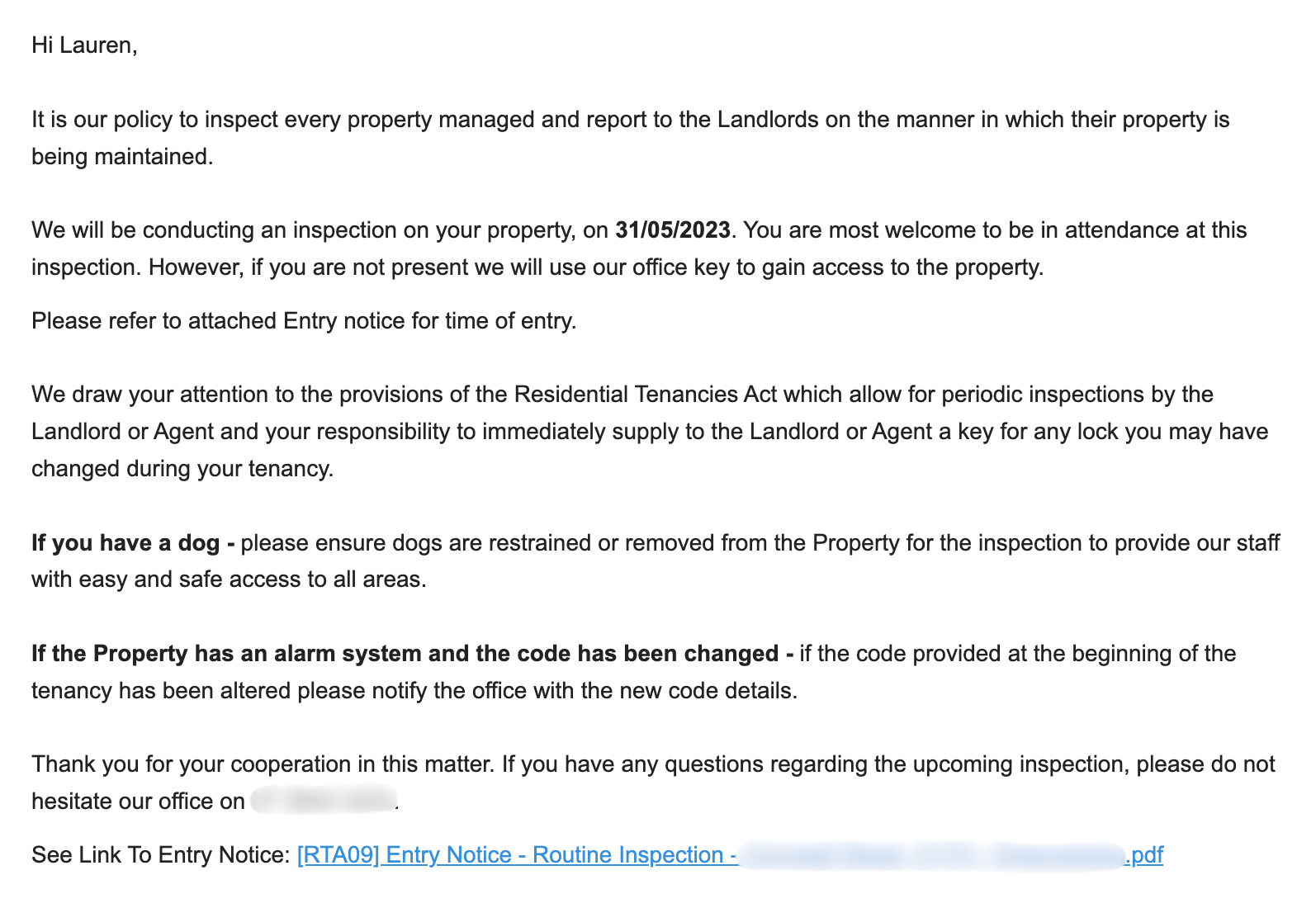
Be sure to document existing issues and conditions. Take photos of preexisting damage or wear and tear. This protects you if the property manager tries to attribute existing problems to recent neglect.
Compile a list of any maintenance issues you want to bring up. Write them down so you and your landlord each have a reference.
Perform a general check around the house/apartment and ensure everything is in good condition. Pay close attention to doors, windows, locks, fixtures, plumbing, vents, and HVAC systems.
Start your rental inspection cleaning at least a week before the scheduled date. This gives you time to tackle each room without last-minute stress. Focus on areas that are scrutinised the most, such as bathrooms and kitchens.
Finally, remember that routine inspections aren’t a housekeeping test! Your landlord is looking for maintenance issues and general upkeep, not searching for dust particles. A well-maintained home with normal signs of living is just what they expect.
What to Clean Before Rental Inspections
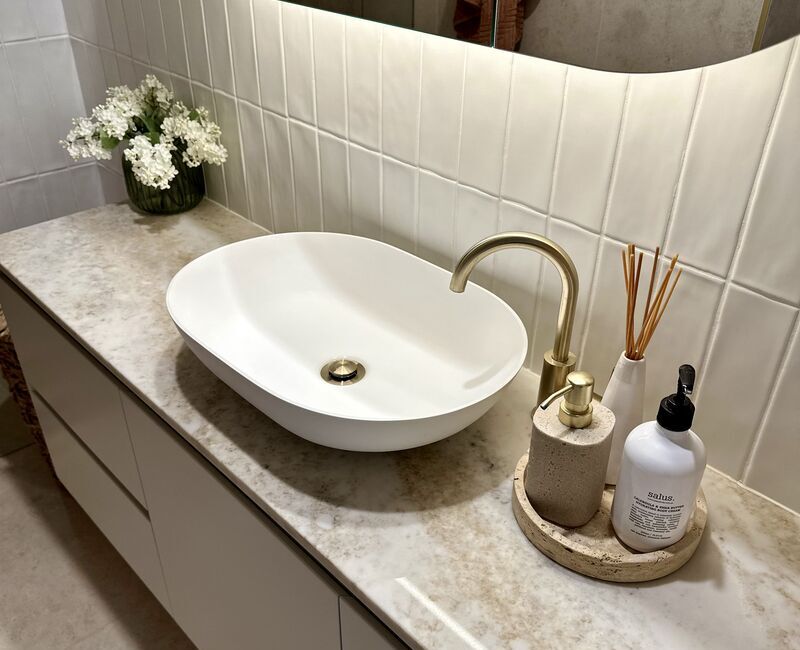
Now that you know what to expect and how to prepare, it’s time to focus on cleaning. This room-by-room checklist covers the tasks to prioritise so you can work efficiently and thoroughly.
Your property manager may also provide their own checklist for reference!
| AREA | KEY CLEANING TASKS | PRO TIPS AND NOTES |
| Bathroom |
|
|
| Bedroom |
|
|
| Kitchen |
|
|
| Living spaces |
|
|
| Laundry area |
|
|
| Windows and glass |
|
|
| Outdoor areas |
|
|
Rental Inspection Guidelines by State or Territory
Rental inspection laws vary by state or territory! Here’s a quick reference guide for frequency, notice periods, and timing; for more detailed legal information, check with your local tenancy authority.
Regardless of location, your landlord or property manager must provide written notice, either mailed (allowing for delivery time) or handed to you in person.
Emergency situations (like gas or water leaks) typically permit immediate access without notice.
Generally, entry is not allowed outside allowed times, on Sundays, or on public holidays without prior agreement. However, Victoria allows Sunday inspections (except public holidays), while the NT and Tasmania require mutual agreement for the schedule.
| STATE OR TERRITORY | FREQUENCY | NOTICE PERIOD | TIME ALLOWED | DAYS ALLOWED | NOTES |
| Australian Capital Territory | Twice every 12-month period | At least 7 days’ notice | 8:00 am to 6:00 pm | Monday to Saturday | The date and time must be “reasonable” to both landlord and tenant. |
| New South Wales | Up to 4 times in a 12-month period | At least 7 days’ notice | 8:00 am to 8:00 pm | Monday to Saturday | Notice periods count calendar days from the date after service.
If you cannot be present, provide written permission for entry. Real estate agents may take photos during inspection in NSW with reasonable notice. |
| Northern Territory | Once every 3–12 months | At least 7 days’ notice | 7:00 am to 9:00 pm | Weekdays or as agreed with tenant | You have the right to be present unless you’ve waived this in writing or there is an emergency. |
| Queensland | Once every 3 months | At least 7 days’ notice | 8:00 am to 6:00 pm | Monday to Saturday | Routine inspections may take place anytime after tenancy begins.
Property managers may provide a checklist covering the basics like dusting, vacuuming, and cleaning kitchen/bathroom surfaces. Real estate agents may open cupboards in QLD if they’re built-in, such as those under the sink. |
| South Australia | Up to 4 times a year | 7 to 28 days’ notice | 8:00 am to 8:00 pm | Monday to Saturday | Inspections may take up to 2 hours on permitted days.
Landlords must give 7 days’ notice if taking photos or videos, and 7–14 days’ notice for follow-ups. |
| Tasmania | Once every 3 months | At least 24 hours’ notice | 8:00 am to 6:00 pm | As agreed with tenant | The 3-month period excludes the initial inspection during your first month of tenancy.
Owners or managers should make a “reasonable effort” to find a suitable time for you. |
| Victoria | Once every 6 months | At least 7 days’ notice | 8:00 am to 6:00 pm | Any day except public holidays | General inspections cannot occur during the first 3 months of a rental agreement. |
| Western Australia | No more than 4 times a year | 7–14 days’ notice | 8:00 am to 6:00 pm (Mon–Fri) / 9:00 am to 5:00 pm (Sat) | Monday to Saturday | Access requires “Form 19 – Notice of proposed entry,” stating who will attend, when, and why. |
FAQs About Rental Inspections
Still have questions about your rental property inspection? We’ve broken down some common concerns that Australian tenants may have when preparing for inspection day.
What’s the difference between routine inspection cleaning and end of lease cleaning?
For routine inspections, you only need to ensure your rental is “reasonably clean.” That means the rental is presentable, without visible dirt or stains, but still clearly lived-in.
End of lease cleaning is much more thorough, as you must restore the property to its initial condition (as documented in your entry report). This typically involves steam cleaning carpets, deep cleaning ovens, and removing all stains, among other tasks.
Do I need to be present during the inspection?
You are encouraged to be present during the inspection so you can accompany the landlord or manager, ask questions, or raise concerns.
If you cannot be present, you must appoint a trusted representative or provide permission in writing. Inspectors cannot mandate you to leave the premises.
Do I need to hire professional cleaners for a rental inspection?
Professional cleaning isn’t required for a routine property inspection. With enough time and preparation, most tenants meet cleanliness standards themselves.
However, professional cleaners can help if you’re short on time, dealing with stubborn issues (like grease buildup), or struggling with certain tasks (like scrubbing).
Maid2Match’s rental inspection cleaning services take the stress out of inspection prep and ensure nothing gets overlooked!
Do I need to clean the windows inside and out?
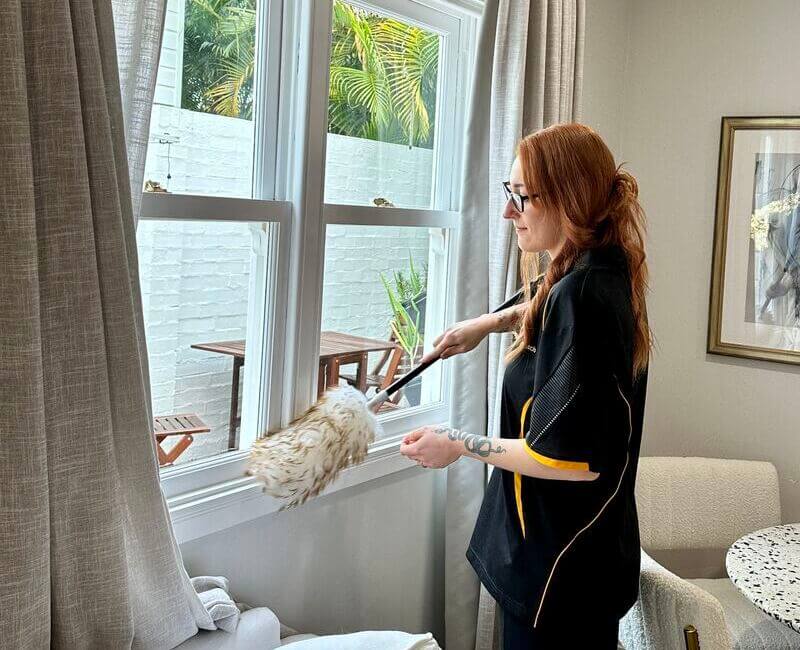
You should clean interior window glass, sills, and frames before the inspection! Visible dust and streaks could tip off the inspector that the property isn’t being well-maintained.
However, exterior windows are not required.
Should I steam clean the carpets before an inspection?
You should vacuum carpets and treat visible stains. However, there’s usually no need to steam clean unless the carpet is particularly grimy!
What areas are commonly overlooked during rental inspections?
It’s easy to tackle the obvious surfaces, but there are commonly-overlooked items that can undermine your efforts:
FIXTURES: Light switches, knobs, and handles
KITCHEN: Exhaust fans, rangehood filters, and oven doors
BATHROOMS: Shower grout and silicone (especially mould)
LIVING SPACES: Skirting boards, door frames, window tracks or sills, and corners behind doors
A targeted sweep of these areas before inspection can catch areas you missed and save you a headache later!
Can my landlord take photos during an inspection?
Your landlord may take photos of any damage or maintenance needs on the property. These serve as references for needed repairs or for breaches of a lease agreement. Certain states (like South Australia) require prior notice and a written agreement.
Photos must not include personal belongings or identifying information.
If the photos will be used for advertising the property (such as selling or re-letting), your landlord must obtain written permission and allow you to review all images before use.
Pass Your Rental Property Inspection with Flying Colours
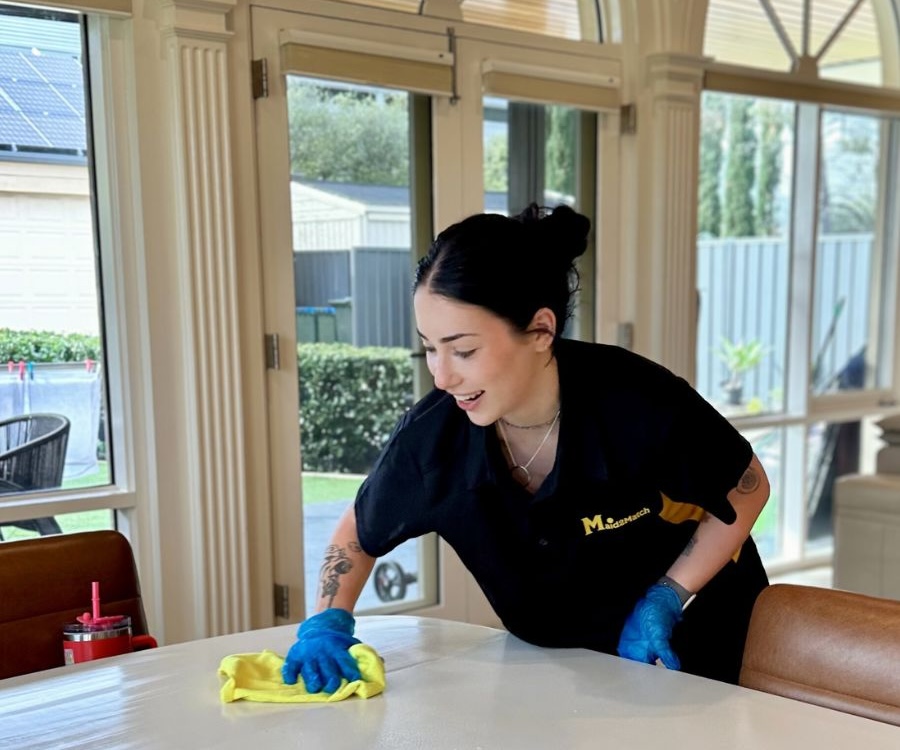
When asking “how clean does a rental property need to be for inspection,” the answer is: as clean as when you moved in! Normal wear and tear is expected, but the home should be tidy and well-maintained.
Remember, a rental property inspection isn’t a measure of your cleaning abilities, so you don’t need to scrub every surface. By ensuring your rental is “reasonably clean,” you’ll pass your next inspection, no problem.
Professional cleaners are a worthwhile service, since they work with proven checklists and know how to meet rental standards. Plus, having a regular cleaning service helps keep your home tidy year-round, so there’s no need to panic-clean before inspection day!
With your rental property cleaned inside and out, you won’t have to worry — and can confidently let your landlord inside.
