
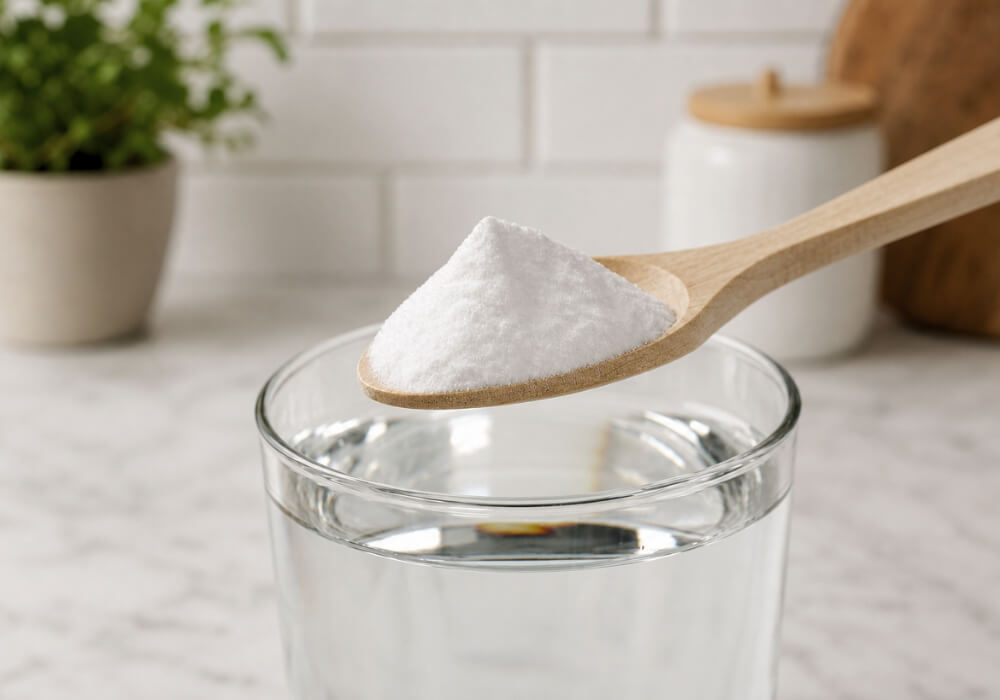
In the world of DIY cleaning recipes, borax can fly under the radar.
Some people may feel hesitant to use borax since it’s an alkaline chemical and not a household item like white vinegar or Castile soap. But with proper precautions, borax is another useful, versatile home cleaner!
Our favourite ways to use borax for cleaning include removing stains, boosting laundry, washing hard surfaces, and even tackling grease. Just be sure to dilute borax with water when necessary, and rinse a surface thoroughly when you’re done.
Once you’ve learned how to clean with borax, you’ll feel less nervous about pouring it into the toilet. Then, since borax has a long shelf life, just stash it away until the next time it’s needed.
Before Cleaning with Borax | Borax Uses for Cleaning | Can Borax Clean Mould? | When Not to Use Borax
Is Borax Good for Cleaning?
Yes, borax is a versatile cleaner around your home! It’s best used as:
- Toilet cleaner
- Stain remover
- Laundry booster
- Kitchen degreaser
- Hard surface cleaner
It can also tackle mild cases of surface mould or mildew.
When used in moderation and properly diluted, Borax is generally septic-safe. It’s only disruptive to septic systems in large quantities or high concentrations.
However, Borax is not greywater-safe if you plan to use the water on plants.
What to Know Before Cleaning with Borax
Borax is a naturally occurring mineral compound — or, in easier terms, a salt compound. For household use, it’s available as a gritty powder.
However, since it is a chemical, it’s best to learn the proper precautions before you go dumping it into your next laundry load.
Is borax safe for cleaning?
Yes, borax is generally safe for cleaning so long as you use proper precautions.
Keep small children and pets out of the area until you’ve finished cleaning. Borax is toxic when ingested, even through licking. If you suspect a child or pet has ingested some, seek immediate medical attention.
Additionally, minimise the use of borax and boric acid if you’re pregnant or trying to conceive, unless your health provider allows it.
Wear rubber gloves while you work, and make sure the room is well-ventilated. With dry borax powder, use a face mask, as it can irritate your nose and throat if inhaled. Wash your hands when you’re done.
For surface cleaning, dissolve borax in water before use, and test your solution on an inconspicuous spot.
Afterwards, rinse the surface thoroughly to remove any residue (except during mould prevention). For food-contact surfaces, wash with soap and water.
Then store borax fully sealed in a cool, dry space away from heat or humidity, where children or pets cannot access it.
Borax vs baking soda vs washing soda
Borax (sodium borate), baking soda (sodium bicarbonate), and washing soda (sodium carbonate) sound alike, but they’re all separate substances!
If you’re standing at the shops wondering which you should buy, here’s a quick rundown of the differences between the three:
| SUBSTANCE | ALSO CALLED | pH LEVEL | CLEANING USES |
| BORAX | Borax powder, sodium borate, sodium tetraborate | Around pH 9–9.5 | Laundry booster; stain remover; degreaser; hard surface cleaner |
| BAKING SODA | Bicarb soda, bicarbonate of soda, sodium bicarbonate | Around pH 8–8.5 | Baking and cooking; deodoriser; mildly abrasive cleaning paste |
| WASHING SODA | Soda crystals, soda ash, sodium carbonate | Around pH 11–12 | Laundry detergent booster; water softener; degreaser; heavy-duty cleaner |
Washing soda is more alkaline, and a stronger cleaner than either baking soda or borax. You’ll typically find washing soda in the laundry aisle of the grocery, while baking soda is in the baking aisle. Then for borax, check your chemist’s or hardware store, or an online shop.
Be sure to buy standard borax powder and not borax flux (which is used when making jewellery).
How to use borax for cleaning
How you use borax will depend on what surface you’re cleaning! But you’ll usually need to dilute it with water so it’s safe to use.
For general cleaning, mix this solution in a spray bottle:
| All-purpose cleaner | 1–2 tbsp borax powder + 1/2 tsp dish soap + 2 cups of warm to hot water |
(Take note: that’s tablespoons for borax and teaspoons for the dish soap!)
Other cleaners you can combine with borax include baking soda, washing soda, and Castile soap.
Can you mix borax and vinegar for cleaning?
Avoid combining borax directly with an acid like white vinegar or lemon juice. As borax is alkaline, the two will neutralise each other, reducing their effectiveness.
Vinegar is best used separately for things like limescale, soap scum, and rust. It can also be used after borax, to remove any residue.
Is borax banned in Australia?
Borax is only banned in Australia as a food additive. It remains legal as a household cleaner, and can be found at chemists, hardware stores, and online storefronts.
How to Use Borax as a Household Cleaner
Once you know how to handle borax properly, it’ll become a staple in your laundry room and cleaning arsenal.
We’ve put together some of our favourite borax uses for cleaning below!
Making a laundry booster and soaker
| Laundry soaker | 1/4 cup borax + 1/4 cup washing soda + 1/2 cup enzyme-based laundry detergent for half a bathtub (or about 100 litres) of hot water |
| Laundry booster | 1/2 cup of borax in the washer per regular load of laundry |
Laundry is one of the most common uses for borax! It works two ways: either as a pre-soak to remove stains and odours, or in the wash to boost your detergent performance.
For pre-soaking, fill your bathtub, laundry sink, or a large plastic tub halfway with hot water, then stir in your laundry soaking solution. Submerge the dirty clothes and leave them to soak for 30 minutes. This is particularly effective for removing acidic stains from clothes (like tomato sauce, coffee, or fruit juice) before you wash them.
Remove the clothes from the solution, then wash as usual — no need to rinse.
As a laundry booster, pour half a cup of borax directly into your washer alongside your regular detergent during a cycle. That will not only brighten your laundry, but also soften hard water and neutralise odours.
Later on, add half a cup of white vinegar to the rinse cycle (not during the main wash). This will act as a fabric softener while removing any remaining traces of detergent and borax.
You can also make your own homemade laundry detergent by combining 1 cup borax, 1 cup washing soda, and 1 cup of soap flakes (like a grated Castile soap bar). Use 1–2 tbsp per wash load.
Removing stains on surfaces
| Surface stain remover | 1/4 cup each of borax and baking soda + 1 tsp dish soap + warm water |
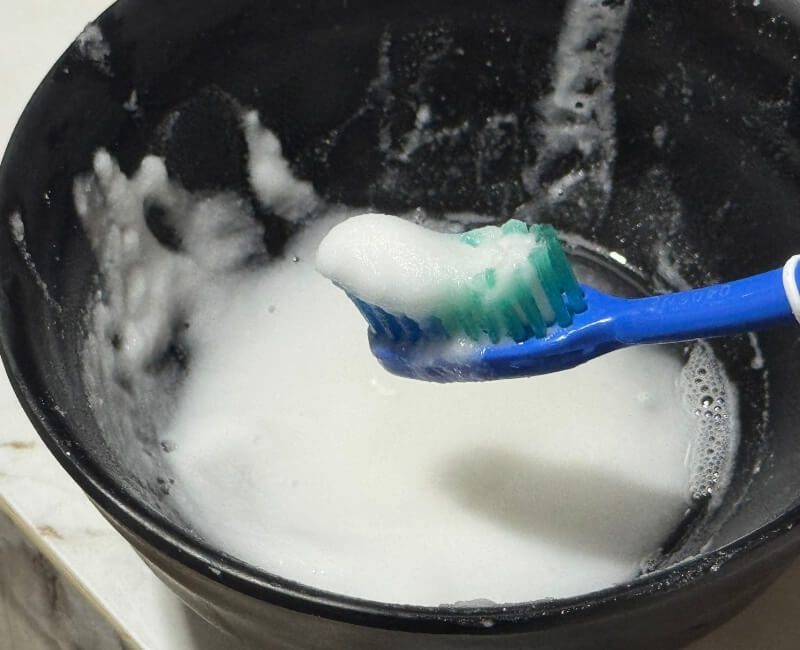
Combine the first three ingredients, then add just enough water to get a toothpaste-like consistency.
You’ll get a borax paste that can remove tough stains on:
- Glass
- Painted walls
- Stainless steel
- Laminate and vinyl
- Porcelain and ceramic
Apply the paste with a damp sponge or old toothbrush, then let it sit for about 10 minutes before scrubbing the surface clean. Mop away the residue with a damp cloth, then follow with a clean cloth to dry.
Tackling pet urine stains and odours
| Pet stain remover | 1/4 cup each of borax and salt |
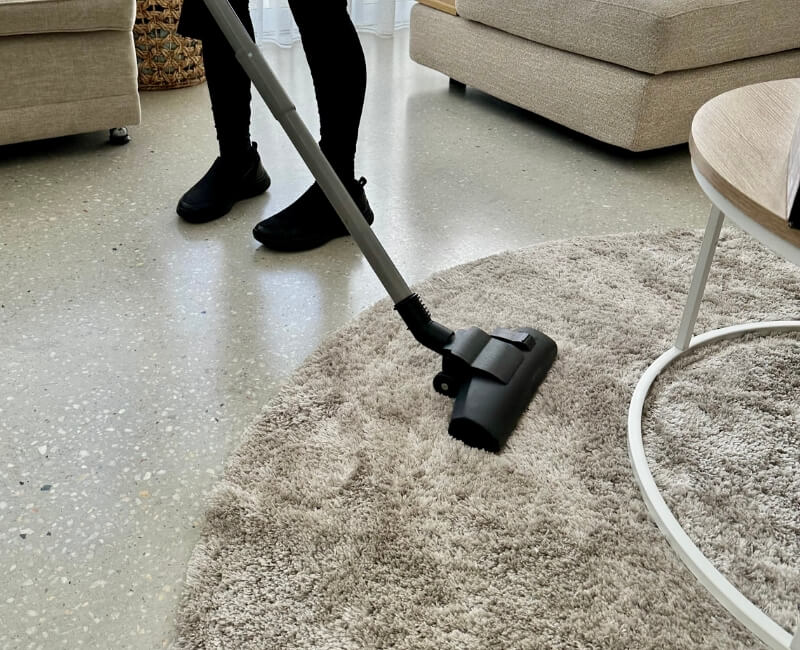
If your cat or dog has an accident, borax can treat urine stains and odours on carpets, rugs, and upholstered furniture.
However, since this method involves vacuuming, only do this with a bagged vacuum or one with a HEPA filter so you don’t release powder into the air!
Always keep your pet away from the area while cleaning so it doesn’t accidentally ingest the solution.
Start by blotting up as much urine as possible with paper towels or old rags you can throw out. Sprinkle the borax-salt mix onto the affected area and cover with another cloth, then let sit for 30–45 minutes or until dry.
Carefully vacuum up the mixture, then wipe away residue with a damp cloth.
Cleaning the toilet bowl
| Toilet bowl cleaner | 1 cup of borax in the toilet bowl |
Borax is an effective alternative to toilet cleaners, since it helps neutralise odours and remove stains.
Simply sprinkle a cup of borax all over the toilet bowl and leave for at least 30 minutes (overnight, if possible). You can add a few drops of tea tree or peppermint essential oil for a scent boost.
Afterwards, scrub the toilet clean with a toilet brush and flush to rinse.
Washing showers and bathtubs
| Shower cleaner | 1/4 cup borax per 500ml warm water in a spray bottle |
Since borax has mould-inhibiting properties, it’s great for cleaning and maintaining your shower and bathtub! Just keep in mind that since it’s alkaline, borax isn’t very effective on soap scum or limescale.
Spray the solution all over the shower walls or bathtub surfaces. Focus on spots like corners, edges, and rubber seals, where mould tends to grow. Once done, wait 10–15 minutes before scrubbing with a soft-bristled brush.
Rinse away the grime, then re-spray areas prone to mould and let the solution air dry (so don’t wipe). That will leave a thin layer of borax that helps deter mould and mildew later on.
NOTE: Do not use this solution on natural stone or wood showers, as it can dull or damage the finish.
Cleaning the sink and drain
| Sink cleaner | 1/4 cup each of borax and baking soda + 1 tsp dish soap + warm water |
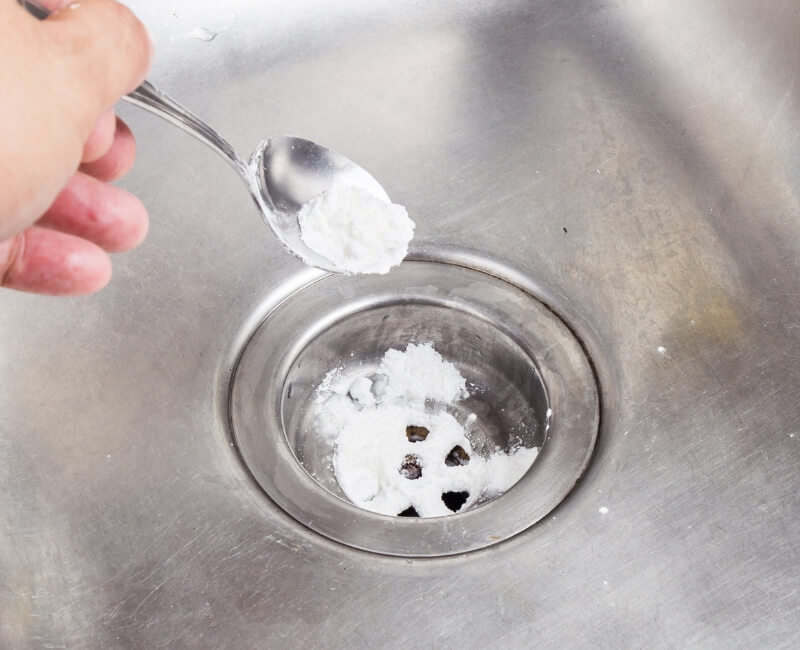
| Drain cleaner | 1/2 cup of borax down the drain, followed by hot water |
You can use borax to clean stainless steel, porcelain, and ceramic sinks, and also refresh the drain!
Mix the borax, baking soda, and dish soap together, then add enough water to make a thick paste. Dip a damp sponge into the paste and scrub all over the sink. Thoroughly wash off the surface afterwards.
For the drain, empty half a cup of borax and, after about 10 minutes, slowly pour in 2–3 cups of hot water inside. Wait another 15–30 minutes before flushing the drain with warm water.
Do not use boiling water here, since that’s likely too hot for your pipes. You can boil water and let it cool for several minutes, or run the hot tap for 30 seconds and use that.
NOTE: Avoid using this on aluminium or natural stone sinks, or ones built into stone benchtops. In those cases, stick to a milder cleaner like dish soap.
Degreasing kitchen surfaces
| Kitchen degreaser | 2–3 tbsp borax + 1/2 tsp dish soap + 2 cups of warm water |
Due to its alkalinity, borax is effective at breaking down fatty or oily residue. Use this degreaser on glass or tile splashbacks and benchtops, and very grimey stovetops.
Just remember to wash the surface thoroughly with soap and water to remove any residue!
Do not use this solution on natural stone benchtops, including granite, marble, and limestone.
Combine all the ingredients in a spray bottle and shake well. Spritz the homemade degreaser onto the surface and leave for a few minutes, then scrub with a damp sponge or soft brush.
For more stubborn stains, try the stain-removing paste above (borax + baking soda + dish soap + water). Cover the grease stains with the paste and leave for 10 minutes. Afterwards, work the paste into the stain with a damp sponge until it lifts.
Wipe away residue with a damp cloth before washing the surface with soap and water. Follow with another clean cloth to dry.
NOTE: Avoid using borax on porous food-contact surfaces in the kitchen, such as wooden chopping boards, since it can be too difficult to wash out all the residue.
Cleaning the dishwasher
| Dishwasher cleaner | 1 cup of borax sprinkled over the bottom of the tub |
Want a boost to your routine dishwasher cleaning? Sprinkle a cup of borax all over the bottom of an empty dishwasher, then add a standard amount of detergent to the dispenser. Run a short, hot cycle, then leave the door slightly open so the tub can air dry.
(Don’t worry — the rinse cycle should take care of any residue, although you can wipe the tub surfaces with a damp cloth to be sure.)
This is also a good option when tackling a smelly dishwasher, since borax won’t dry out rubber seals like prolonged vinegar exposure does.
Cleaning the washing machine
| Washing machine cleaner | 1–2 cups of borax inside the washer tub |
Borax also works for cleaning your washing machine tub!
For front-load washers, sprinkle the borax over the tub or add it to the detergent dispenser; for top-load washers, simply pour the powder inside. Then set your machine to a hot wash cycle, including the rinse.
If your washer has the option to pause a cycle midway, do that and wait 15 minutes so the inside of the tub can soak in your cleaning solution longer. This is particularly helpful if your washing machine smells.
Run a final rinse cycle to remove any residue, then wipe the tub with soft cloths. Leave the washer open to air dry.
Mopping floors
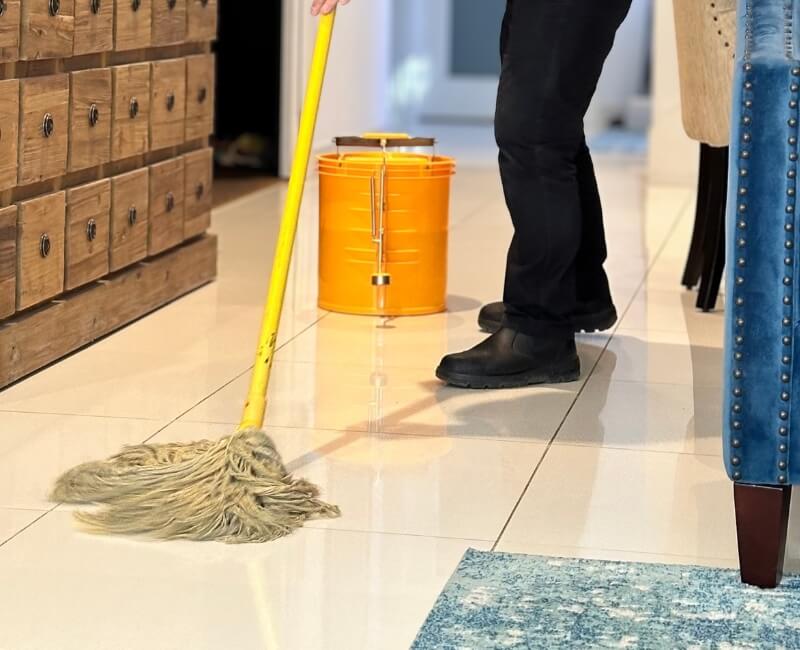
| Floor cleaner | 2 tbsp borax per 4 litres of warm water |
Only use this solution on tile, laminate, or vinyl floors — borax is too harsh for hardwood and stone. For laminate and vinyl, be sure to use a damp mop, since too much moisture could seep into and warp the material.
Keep small children and pets out of the room while mopping with borax, and open the windows so there’s good ventilation.
Mix your floor cleaner in a bucket and mop your floors as usual. Remember to rinse your mop regularly, and change out the mop water once it gets murky. Follow with a clean mop head and fresh water to wash off any residue.
Afterwards, go over the floors with some old towels to dry them.
Can I Use Borax for Cleaning Mould?
You can use borax to clean off surface-level mould and mildew on non-porous surfaces. Thanks to its alkaline nature, it inhibits mould growth by increasing the pH. It also has mild antifungal properties (though boric acid is stronger).
However, borax will not kill mould beneath the surface, especially on porous materials. It also won’t stop mould from coming back. For things like natural stone, wood, fabrics, and similar materials, it’s better to get professional treatment.
If it’s mild enough to tackle yourself, make sure you wear gloves and a face mask, and work in a well-ventilated room.
To treat mould or mildew, mix 1/8 cup of borax with 2 cups of hot water in a spray bottle. Saturate the affected area, then let the borax solution sit for 10–15 minutes. Use a soft-bristled brush to scrub the mould away afterwards (add a bit of dish soap if it makes things easier).
Thoroughly rinse the surface with water, then wipe everything dry with a soft cloth.
When NOT to Use Borax for Cleaning
There are several things you shouldn’t clean with borax, or situations where alternative cleaners are safer.
PEOPLE WITH SENSITIVE SKIN: Borax often causes skin irritation with prolonged contact, especially if you have sensitive skin. Always wear gloves when working and wash your hands after use. If you’re unsure, stick to cleaning products that are safe for sensitive skin.
ALUMINIUM: Short-term exposure to borax is fine for aluminium; it can remove grease on baking trays or tarnish from surfaces. But if you use too much or leave it too long, it can cause discolouration or pitting. Mild solutions like dish soap are safer for cleaning aluminium.
DELICATE FABRICS: It’s fine for standard laundry, but avoid borax for delicate fabrics like silk, wool, and satin. Use mild detergents and other fabric-safe cleaners instead.
NATURAL STONE SURFACES: Given its alkalinity, avoid using borax on natural stone materials like granite, marble, and limestone. It could dull the finish or etch the material with repeated contact.
SOAP SCUM AND LIMESCALE: Borax is alkaline, so it can’t effectively dissolve soap scum or limescale the way an acid does. White vinegar or citric acid will be more effective cleaners.
SURFACES WITH WAX OR OIL FINISHES: For materials with a wax- or oil-based finish, test your borax solution on an inconspicuous spot first. It might strip or dull the finish.
UNSEALED WOOD: Skip the borax for unsealed wood floors, furniture, and other items, since it could dry out the material or damage the finish.
More to Know About Cleaning Using Borax
We’ll answer a few more FAQs about cleaning with borax here.
What else is borax good for?
Besides household cleaning, you can also use borax for:
- Refreshing rubbish bins
- DIY weed killer/herbicide
- Polishing outdoor furniture
- Pest control for ants and cockroaches
Additionally, try mixing borax, water, food colouring, and white glue to create a homemade slime that kids can play with! Just be careful not to let them ingest the slime, and wash everyone’s hands well afterwards.
Is borax just baking soda?
Nope! Borax and baking soda are separate substances.
You can use baking soda as both a food ingredient and a gentle cleaner, but borax is for cleaning only.
Are borax and boric acid the same?
Not quite, but borax and boric acid are related! Borax is a salt made of sodium, oxygen, and boron. When you process it with a mineral acid, you get boric acid.
Borax can be used for general cleaning, while boric acid is mainly for pest control, insecticides, and fungicides.
Can you mix bleach and borax for cleaning?
Some sources advise against mixing borax with chlorine bleach in concentrated forms, since the reaction could produce irritating fumes. Oxygen bleach could be safer as it’s less reactive than the chlorine form.
More generally, borax is already alkaline, so when combined with another strong alkaline substance, the result could irritate your skin or degrade certain finishes.
Check if the manufacturer allows mixing with bleach — if yes, follow the instructions strictly, and wear protective gear.
The same goes for other harsh chemicals like ammonia: it’s not dangerous, but the resulting solution is very strong and doesn’t do much for cleaning.
Can you combine borax and hydrogen peroxide for cleaning?
Borax and hydrogen peroxide are generally safe to combine — there’s no harmful reaction, though the resulting substance could irritate your skin on contact.
Some uses for a borax + hydrogen peroxide combo include stain removal, laundry whitening, and mould or mildew removal.
