
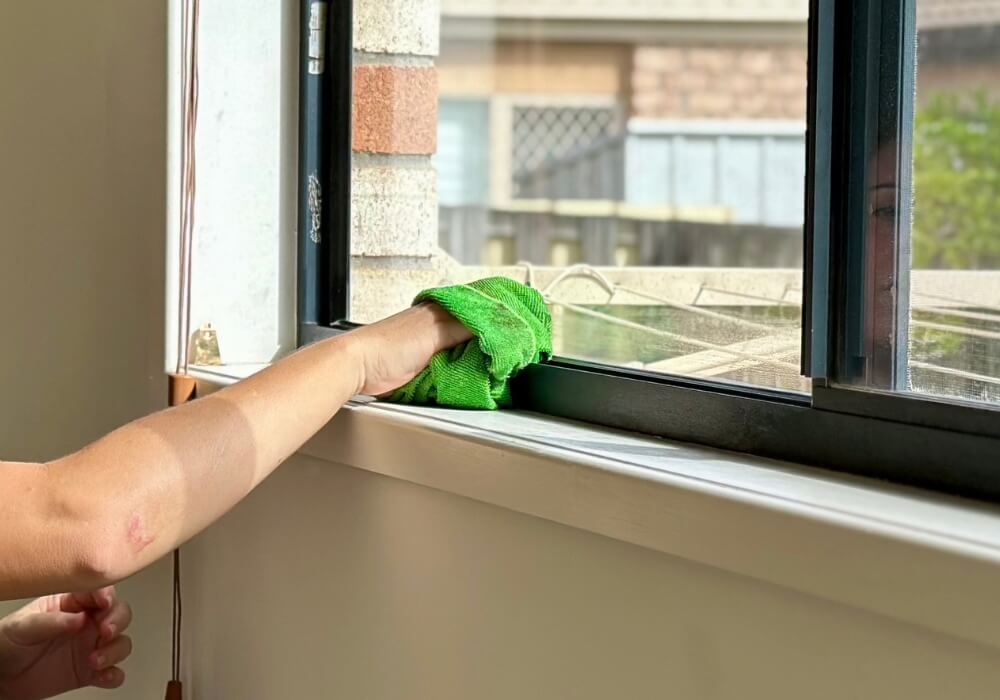
When it comes to versatile cleaners, methylated spirits is a staple in Aussie homes.
Also known as “metho,” it has a variety of household uses: a hard surface cleaner, stain or adhesive remover, and even disinfectant! Plus, it’s affordable and widely available, and it cuts through grime that milder products can’t touch.
That said, since it’s a strong solvent, it’s important to know when and how to use methylated spirits for cleaning. It works both undiluted and mixed with water, but you must wear protective gear while you work. Keep the room well-ventilated as well.
Need to wipe a window or scrub off some ink stains? With our guide to cleaning with metho, the task will be easy-peasy.
Before Cleaning | Methylated Spirits Uses | Cleaning Mould | What Not to Clean
Is Methylated Spirits Good for Cleaning?
Yes, methylated spirits is effective for household cleaning!
Methylated spirits is a denatured alcohol. It mainly contains ethanol (ethyl alcohol) plus methanol or other chemicals as a denaturant. In Australia, the most common brand you’ll find is Diggers.
You can use metho for household tasks like:
- Disinfecting hard surfaces
- Removing adhesive residue
- Cleaning glass without streaks
- Cleaning hard surfaces (e.g. tiles)
- Removing stains from non-porous materials
However, metho is not septic-safe or greywater-safe. As a solvent, it destroys beneficial bacteria in septic systems and is harmful to organic matter in soil.
What to Know Before Cleaning with Methylated Spirits
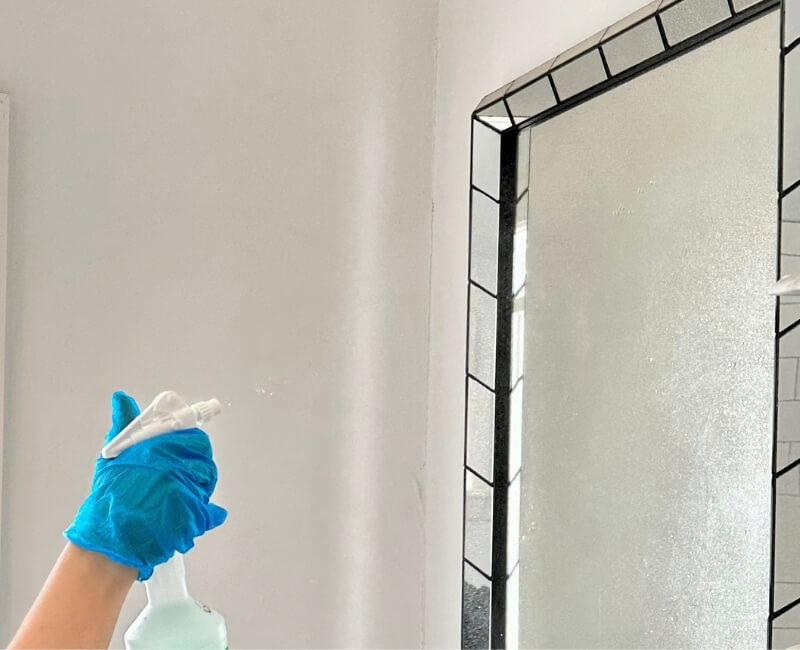
Metho is quite potent, so there are some essential safety tips to know before using it.
A little preparation goes a long way towards getting the best results — and protecting yourself, too.
Is methylated spirits safe for cleaning?
Yes, it’s safe to use methylated spirits for cleaning with proper precautions.
It’s a strong and effective solvent, and like other chemicals, it should be handled with care.
Safety precautions when using methylated spirits
When using metho, ensure the room is well-ventilated by opening doors, windows, and exhaust fans. Always wear gloves and a face mask to prevent skin contact and inhalation of fumes. Wash your hands right after working.
For homes with small children or pets, keep them out of the room while you clean, as metho is toxic when ingested. If you suspect someone has ingested it, seek medical attention immediately.
With any metho solution, avoid exposure to open flames and other direct heat sources. Ethanol is highly flammable, even the fumes.
Do not combine methylated spirits with anything except water! The solvent should never be mixed with bleach, ammonia, acids (e.g. white vinegar), or caustic cleaners. Be extra careful with bleach, as it reacts with ethanol to produce chloroform.
If you must use metho after a different cleaner (e.g. vinegar), thoroughly wash the surface with soap and water, then let it dry completely before applying metho. In case of accidental mixing, open all the windows to ventilate the space and leave the room immediately.
Methylated spirits vs isopropyl alcohol
Both methylated spirits and isopropyl alcohol are types of alcohol, but there are key differences!
Methylated spirits consists of ethanol plus a denaturing additive — typically methanol, hence the name “methylated.” Pure ethanol is drinkable, so the denaturing additive makes the solution toxic or unpalatable. Around the house, metho can be used for thinning paint or cleaning various hard surfaces.
Isopropyl alcohol, meanwhile, is primarily made of isopropanol mixed with water and cannot be consumed in any form. At home, it’s often used for disinfecting, as well as spot-cleaning surfaces like glass, stainless steel, and painted walls. It also helps remove odours from clothes and upholstered furniture.
Generally, metho is a stronger solvent, while isopropyl alcohol is a more effective disinfectant.
How to dilute methylated spirits for cleaning
You can use metho both diluted and undiluted, depending on the cleaning task.
Here’s a quick dilution guide for general cleaning:
| Multi-purpose solution | 1 part methylated spirits to 10 parts water |
Methylated Spirits Uses for Cleaning
Now that you have the guidelines, it’s time to put the metho to work. There are many ways to use it at home, including some you may not have considered!
Always test the metho solution on a small spot first before applying it to the entire surface. The dilution ratios recommended here are guidelines; you can adjust based on the task and how stubborn the mess is.
From stain removal to mopping tiles, here’s how to clean with methylated spirits.
Disinfecting surfaces
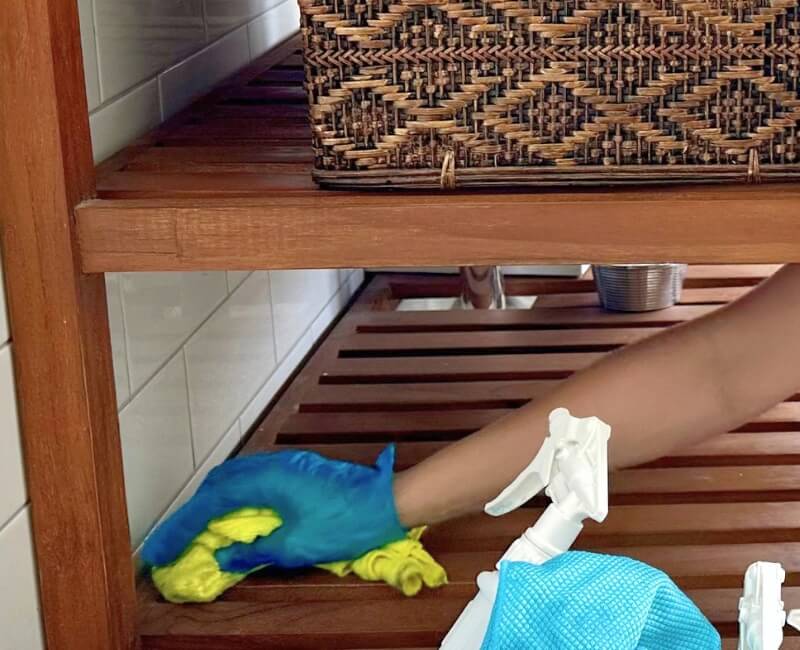
| Metho disinfectant | 7 parts methylated spirits to 3 parts water (or 70% to 30%) |
When it comes to sanitising, you want to dilute methylated spirits with water so it doesn’t evaporate too quickly!
Then, as always when disinfecting, wash the surface with hot water and dish soap beforehand. That removes grime and maximises contact with the disinfectant.
Mix your metho solution in a spray bottle and saturate the area you need to sanitise. Let the metho sit for at least 3 minutes before wiping things clean. This will work on most hard surfaces such as sinks, tables, benchtops, and bathroom fixtures.
However, you should not use methylated spirits to disinfect food-contact surfaces. That includes chopping boards, plates and cutlery, food containers, and even high chairs — anything that food directly touches before eating.
If you need to sanitise something in the kitchen (e.g. after handling raw meat), rubbing alcohol, 3% hydrogen peroxide, or commercial disinfectant are safer options. Rinse and dry the surface afterwards.
Treating stains
| Stain remover | Undiluted, applied with a soft cloth |
Methylated spirits is great for spot-cleaning stubborn stains on most surfaces, so long as they don’t have varnish. For painted surfaces, dilute the metho with equal parts water so it’s less strong and test it on a tiny spot first — it might damage the finish.
Meanwhile, for fabrics such as upholstered furniture, test the metho on an inconspicuous area first. Do not use this on delicate surfaces or fabrics.
Dampen a soft cloth with metho and dab it onto the stained area. Let it sit briefly, then wipe the stain away. This works well for makeup stains (especially lipstick), permanent marker, fake tan/self-tanner, and even scuff marks!
Removing adhesive/sticky residue
| Stain remover | Undiluted, applied with a soft cloth |
Ever tried to remove a price tag from something, only to be left with bits of adhesive still stuck on? One of the best uses for methylated spirits is removing sticky residue!
Put a few drops of metho on a soft cloth or cotton bud and gently rub away the sticker or label. It should dissolve the adhesive quickly, leaving you with a smoother surface. Repeat the application as necessary.
Degreasing kitchen surfaces
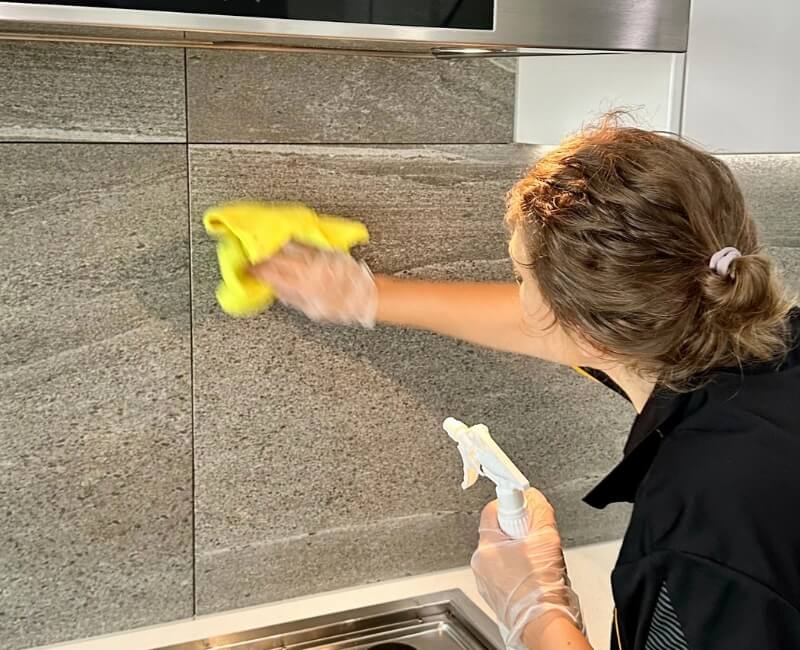
| Kitchen degreaser | 1 part methylated spirits to 10 parts water |
Methylated spirits is underrated for its cleaning power in the kitchen. It can break down grease and oil on kitchen sinks, glass cooktops, stone benchtops, stove splashbacks, and appliance exteriors.
Do not use metho inside ovens and air fryers, since those are direct heat sources. Meanwhile, avoid using it for microwave and fridge interiors, since those count as food-contact surfaces.
Mix up your metho solution, then use it as a hard surface cleaner around the kitchen. After dabbing it on with a microfibre cloth, wait a few minutes, then buff the surface clean. For tougher grease stains, reapply the metho until the stain lifts.
Make sure cooktops and splashbacks are thoroughly wiped and dried before you cook again.
NOTE: Use the same solution to remove fingerprints and smudges off shiny kitchen surfaces!
Cleaning natural stone
| Stone cleaner | 1 part methylated spirits to 10 parts water |
Since methylated spirits is a pH-neutral cleaner, it’s safe to use on natural stone such as marble, granite, and limestone. Metho won’t etch stone the way acids like vinegar do.
Lightly dampen a microfibre cloth with the metho cleaner, then apply it to the stone surface — whether that’s your shower tiles, kitchen benchtop, or marble table. Let it work for a minute or two before buffing the surface with a clean cloth.
If you’re mopping a stone floor, mix the cleaner in a bucket and use it to mop as usual.
For tougher stains, dab on a few drops of undiluted metho and work that onto the surface with a cloth.
NOTE: Methylated spirits is also effective for engineered stone surfaces! You can stick to the 1:10 ratio, or go for a slightly stronger 1:8 dilution for tougher grime.
Cleaning shower glass
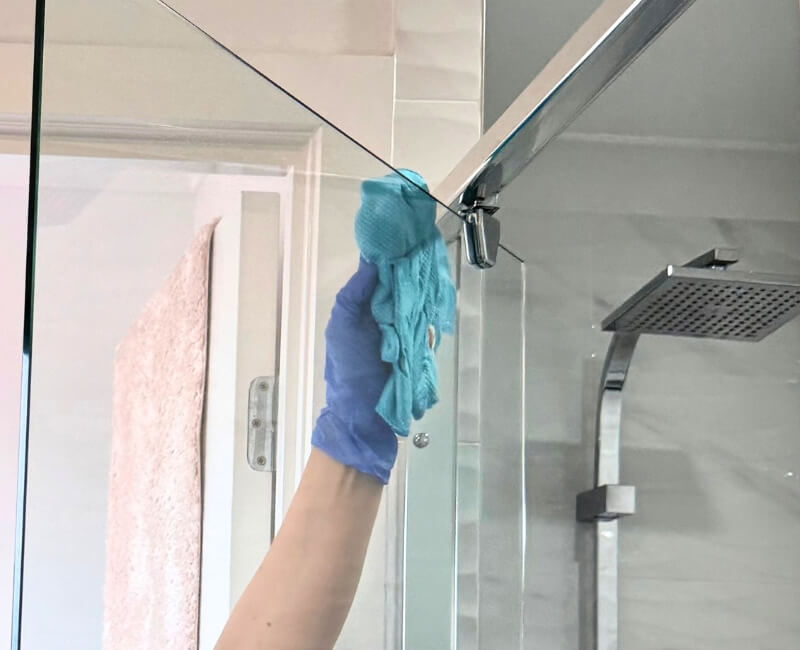
| Shower cleaner | Equal parts methylated spirits and warm water |
Methylated spirits is very effective for maintaining shower glass — and yes, it does break down soap scum!
Pour your metho shower cleaner into a spray bottle, then spritz it all over the shower glass. Give it a few minutes to work before wiping the glass with a soft cloth. Work in wide, zigzag strokes for a streak-free finish.
NOTE: Metho isn’t as effective at removing hard water spots (aka limescale), so stick to vinegar for that. Just remember not to combine the two; either metho or vinegar is good enough on its own.
Cleaning tiles
| Tile cleaner | 1/4–1/2 cup methylated spirits per litre of water |
You can use methylated spirits on porcelain and ceramic tiles, whether it’s for mopping tile floors or washing walls.
Make sure to keep any small kids or pets out of the room while you work, and ensure the room is well-ventilated. Mix up your metho tile cleaner in a bucket and mop your floors as usual.
For walls, dip a flat mop or soft cloth into the solution and go over the surfaces, working from one side to the other.
Follow with a fresh mop head or old towels to dry the tiles.
Cleaning windows
| Window cleaner | Equal parts methylated spirits and water |
Methylated spirits is the perfect glass cleaner, since it evaporates quickly and won’t leave streaks.
To wash your windows using metho, apply the cleaning solution with a spray bottle. Give it a few seconds, then wipe the windows with a soft cloth.
Go in one direction (up-down or side-to-side), and work from top to bottom so you don’t track dirt onto already-cleaned surfaces.
TIP: Do your window cleaning in the early morning or late afternoon, when temps are cooler. The heat from the sun can make your metho solution evaporate too quickly.
Wiping stainless steel
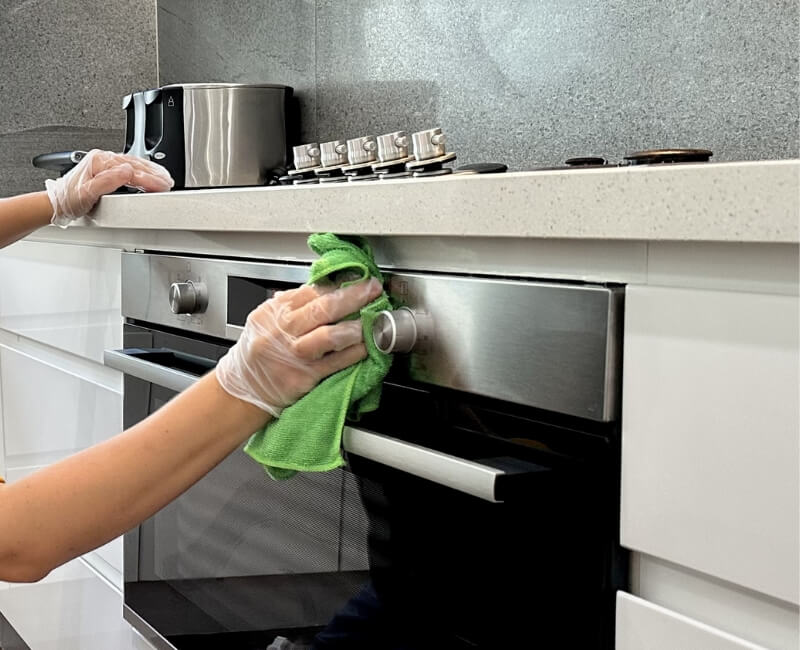
| Stainless steel cleaner | 1 part methylated spirits to 10 parts water |
Yes, methylated spirits is safe for cleaning stainless steel!
Use the solution to get rid of smears and other marks on kitchen appliances and other surfaces.
Dampen a microfibre cloth with diluted metho, then go over the surface. Make sure to wipe with the grain so you don’t leave streaks.
Dry the area with a clean rag afterwards so you don’t leave water spots.
Can Methylated Spirits Get Rid of Mould?
Methylated spirits can clean off surface-level mould on non-porous surfaces by dehydrating the spores.
Be sure to wear a face mask and gloves so you don’t touch or breathe in the mould.
Mix 4 parts methylated spirits with 1 part water (or 80% spirits and 20% water) in a spray bottle. Saturate the affected area, then leave the solution to sit for at least 5 minutes before scrubbing the mould away with a soft brush or sponge.
However, keep in mind that metho will not effectively kill mould spores beneath the surface, especially in porous materials.
If you have a recurring mould problem — or it covers a large area — it’s best to get professional remediation.
What NOT to Clean with Methylated Spirits
Metho is a versatile cleaner, but it won’t work on everything. There are several situations where it’s better to use an alternative product so you don’t damage something.
Electronics and gadgets
Keep the methylated spirits away from your gadgets and electronics! Both the ethanol and the additives can damage protective screen coatings or even strip them.
Most manufacturers recommend using isopropyl alcohol (or rubbing alcohol) for gadget cleaning. You cannot substitute rubbing alcohol with metho!
Gas stovetops and oven interiors
Since methylated spirits contains ethanol/ethyl alcohol, it’s highly flammable. It’s very important to keep it away from ignition sources like a gas stovetop or an oven.
Glass cooktops are fine since they don’t use open flames, but be sure the surface has been thoroughly wiped and all fumes have dissipated before cooking.
When washing a stainless steel gas stovetop, stick to dish soap or white vinegar. Then for oven maintenance, opt for degreasers or dedicated oven cleaners.
Non-tile or stone floors
While methylated spirits is fine for tile and stone, you should avoid using it on other common floor types, such as:
- Hybrid, vinyl, or laminate
- Timber or hardwood
- Unsealed concrete
The solvent can break down the finish on these floor types, especially varnished wood floors. Repeated exposure to ethanol could also dry out timber planks, leading to cracks or warping.
Painted or varnished surfaces
Methylated spirits is used for thinning paints and lacquers, so it’s best avoided when cleaning large painted or varnished surfaces.
Denatured alcohol can remove paint or varnish, or break down the finish and create a sticky residue.
At most, use a small amount of metho to spot-clean permanent marker and other tough stains from painted surfaces (like walls). Make sure to dilute the metho and blot the stain — rubbing could remove the paint.
Plastic items and surfaces
Be cautious when applying methylated spirits to plastic surfaces — at least for regular cleaning. Metho can cause discolouration or fading, or “melt” the topmost layer to leave it sticky or gummy.
An all-purpose cleaner or some soapy water is enough for cleaning plastic items. You can use diluted metho for treating small, tough stains like ink; dab a few drops on with a microfibre cloth, wait a minute or two, then wipe off.
Rubber seals and silicone
Repeated or prolonged exposure to methylated spirits can dry out or even degrade rubber and silicone. Avoid using metho spirits for anything with rubber seals, like the doors of your dishwasher, fridge, and washing machine.
Instead, clean rubber seals by scrubbing them with an old toothbrush dipped in soapy water.
Other Questions About Using Metho for Cleaning
Here are a few more FAQs about cleaning with methylated spirits at home.
Does metho leave a residue?
Since methylated spirits is an alcohol, it generally does not leave a residue! Metho evaporates quickly when exposed to the air.
Still, it’s better to wipe a surface clean after applying metho, to ensure that it spreads evenly and that the dirt gets removed.
Can you mop with methylated spirits?
You can use diluted methylated spirits to mop stone and tile floors and even clean sealed grout. Metho is generally safe for porcelain, ceramic, and stone with proper dilution.
However, many floor manufacturers recommend against using metho for mopping other floor types, particularly vinyl, laminate, and hardwood. The solvent can dull or damage the finish, and leave the floor looking streaky or cloudy.
Can you use methylated spirits on stone benchtops?
Many Australian manufacturers do recommend methylated spirits for cleaning stone benchtops, including marble and granite!
If you’re unsure, ask the manufacturer or consult their website.
Is vinegar or methylated spirits best for cleaning windows?
Methylated spirits and white vinegar are both effective window cleaners, but metho evaporates faster and is less prone to streaking.
On the other hand, vinegar is more convenient, since you’ll likely already have it in your kitchen. It’s also less harsh, and is both septic- and greywater-safe.
Whichever you pick, it’s important to use a lint-free cloth and wipe in one direction so you don’t leave streaks.
