
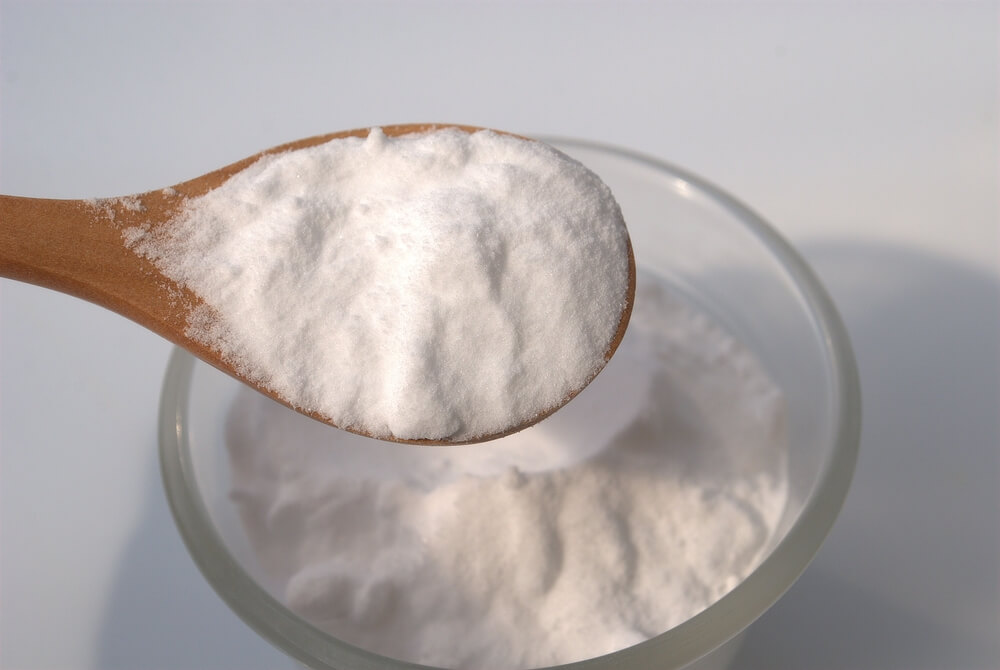
Got a box of bicarb soda tucked away in the kitchen? You might reach for it if you’re baking, but it’s also useful for cleaning.
If you’re dealing with greasy pans or a persistent smell in the fridge, this humble ingredient is effective. It’s also perfect for freshening up many household items, such as pillows and mattresses.
For light stains, a paste of bicarb soda and water works well. For heavier buildup, try mixing it with dish soap or 3% hydrogen peroxide for extra cleaning strength.
On the other hand, the dry powder is all you need to neutralise bad odours.
This blog explains why bicarb soda is a versatile cleaner and how to use it throughout your home!
Is Bicarb Soda Good for Cleaning? | Before Cleaning with Bicarb | How to Use Bicarb Soda for Cleaning | Kitchen | Bathroom | Other Uses | Laundry
Bicarb Soda, Baking Soda, or Bicarbonate of Soda?
You might hear bicarb soda being called baking soda, bicarbonate of soda, or sodium bicarbonate — they’re all the same thing!
The term bicarb soda is just more common in Australia and the UK, while baking soda is the standard term in North America.
In local supermarkets, you’ll usually find it labelled bicarb soda or bicarbonate of soda in the baking aisle.
Don’t confuse it with baking powder, though!
If you’re choosing between baking soda and baking powder for cleaning, you’ll want to reach for the former.
Baking powder contains baking soda, along with extra acids and starches, which weaken its cleaning effectiveness.
Is Bicarb Soda Good for Cleaning?
Absolutely, and there’s science behind it!
Bicarb soda is a simple, eco-friendly cleaner. It’s also food-grade and non-toxic, so it’s safe to use around kids and pets.
How does bicarb soda work for cleaning?
Bicarb soda’s cleaning power comes from three key properties.
First, it’s mildly alkaline, with a pH of about 8–9.
This natural alkalinity means baking soda can break down acidic, organic stains. When applied to oily residues or grease, baking soda reacts with the fats and makes them easier to scrub and wipe away.
Second, bicarb soda is a gentle abrasive.
Its fine, crystal-like particles help with scrubbing, allowing it to lift dirt without scratching most surfaces.
Third, it neutralises odours.
Rather than masking smells, bicarb soda targets the compounds that cause them. It can eliminate foul odours coming from acidic (like sweat) and alkaline substances (such as food or rubbish smells).
What can you clean with baking soda?
Baking soda works on everyday grime around the house, such as on floors, grout lines, or walls.
It’s also effective on acid-based or organic stains, like:
- Grease and oils
- Scuff marks on walls
- Spills like coffee, tea, or wine
- Food stains (e.g. tomato sauce, chocolate)
- Bodily fluids (e.g. blood, sweat, urine, vomit)
What to Know Before Cleaning with Bicarb Soda
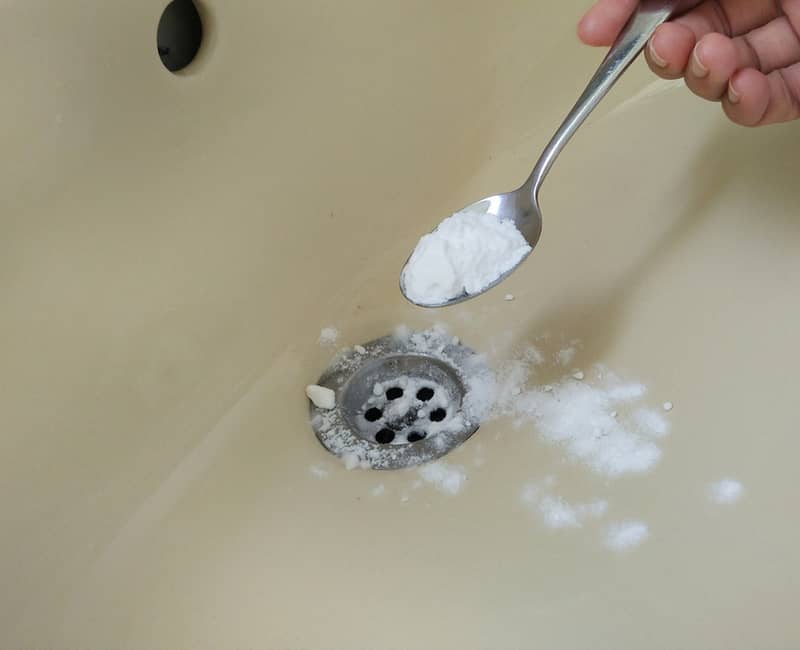
Bicarb soda is useful for many household tasks, but it’s not a catch-all solution.
Some safety measures are also worth keeping in mind before using it!
Precautions when cleaning with baking soda
While baking soda is a gentle cleaner, it’s still wise to do a spot test on an inconspicuous area first.
If you have sensitive skin, wear rubber gloves. Prolonged or frequent contact with baking soda may lead to mild dryness or irritation.
After treating stains with a paste, always rinse surfaces thoroughly with a damp cloth to avoid leaving any residue. You can also spritz a little vinegar onto the area to neutralise bicarb soda and make any residue easier to wipe up.
If you’ve sprinkled dry baking soda on a surface, brushing it away or shaking out the powder is usually enough. Do not wipe it with a damp cloth, as this can create a paste that’s much harder to remove, especially on upholstery or mattresses.
Be cautious about vacuuming it up, too, since the fine particles can clog filters. To be safe, check the manufacturer’s guide for your vacuum cleaner first.
Can you mix bicarb soda and vinegar for cleaning?
The short answer is not really.
Bicarb soda is a base, while white vinegar is an acid. When mixed, they cancel out each other, bringing the pH closer to neutral. As a result, both baking soda and vinegar lose their cleaning properties.
While you’ll see a fizzing reaction initially, that’s just carbon dioxide gas being released.
Once that’s over, you’re mostly left with water, carbon dioxide, and sodium acetate (a very weak form of salt). These ingredients don’t work well for cleaning.
It’s best to use baking soda or vinegar separately. The same applies to other acids, like citric acid or lemon juice!
Can you use baking soda for disinfecting?
No, bicarb soda is not a disinfectant!
While it works on many stains and odours, it doesn’t kill germs reliably.
To sanitise surfaces, it’s best to use proven methods like hydrogen peroxide or specialised cleaning products.
What should you not clean with bicarb soda?
Avoid using bicarb soda on the following surfaces:
- Gadget screens
- Hardwood floors
- Wooden furniture
- Glass and mirrors
- Gold-plated items
- Aluminium cookware
These materials can be easily scratched. Some metals, such as aluminium, may also oxidise or corrode with prolonged contact.
Finally, avoid using baking soda on surfaces with deep or narrow crevices. The fine powder can get trapped in tiny gaps and may be difficult to remove.
How to Use Bicarb Soda for Cleaning
Bicarb soda is commonly used as a paste for spot cleaning or as a dry powder for deodorising.
Using baking soda for stain removal
For stains or built-up grime, baking soda works best as a paste.
This method is ideal for spot cleaning, since spreading the paste over large surfaces and rinsing off the residue can be tricky and messy.
To make a bicarb soda paste, try these mixtures:
| WHAT TO MIX | BEST FOR |
| 3 parts bicarb soda and 1 part water | Light, everyday grime |
| Equal parts bicarb soda and dish soap | Grease and food stains |
| 2 parts bicarb soda and 1 part 3% hydrogen peroxide | Very tough stains; disinfection |
For daily cleaning, baking soda with water is usually all you’ll need. Use a bowl for mixing so you can adjust the consistency until it’s easy to spread.
For grease or oil splatters, mix equal parts baking soda and dish soap. Together with baking soda, dish soap helps break down oils. The fine powder also adds a scrubbing action.
If you’re dealing with very stubborn stains, you can mix 2 parts bicarb soda with 1 part 3% hydrogen peroxide. Hydrogen peroxide is a gentler alternative to bleach that effectively cuts through heavy buildup while killing bacteria.
Once the paste is ready, use a soft sponge or brush to apply it directly onto the stained area.
Always give the bicarb soda enough time to work. Let it sit for 10–15 minutes before giving the surface a good scrub with a soft-bristle brush or sponge. Afterwards, simply wipe the area with a damp cloth to remove all residue.
IMPORTANT: When mixing baking soda with hydrogen peroxide, only prepare the amount you need and use it immediately.
Avoid storing the mixture in a sealed jar. The peroxide gradually releases oxygen, which may build pressure and cause the container to burst.
Using baking soda for removing odours
To absorb persistent odours, all you need is dry baking soda powder!
Simply sprinkle it directly onto the surface you want to deodorise. It works well on personal items like shoes, as well as household surfaces such as carpets, upholstered furniture, or mattresses.
You can also place a small bowl of baking soda inside appliances. Many people use it to get rid of lingering smells inside the fridge or microwave.
Moreover, it works in areas where odours tend to linger, like bathrooms and the kitchen.
Some people also use baking soda to absorb a bit of extra moisture in the air. However, it’s mostly effective in small, enclosed spaces. And keep in mind that the powder can get clumpy or damp, and even grow mould, so it needs replacing every few weeks.
For large, humid rooms, a dedicated desiccant or a dehumidifier may be better!
Cleaning the Kitchen With Bicarb Soda
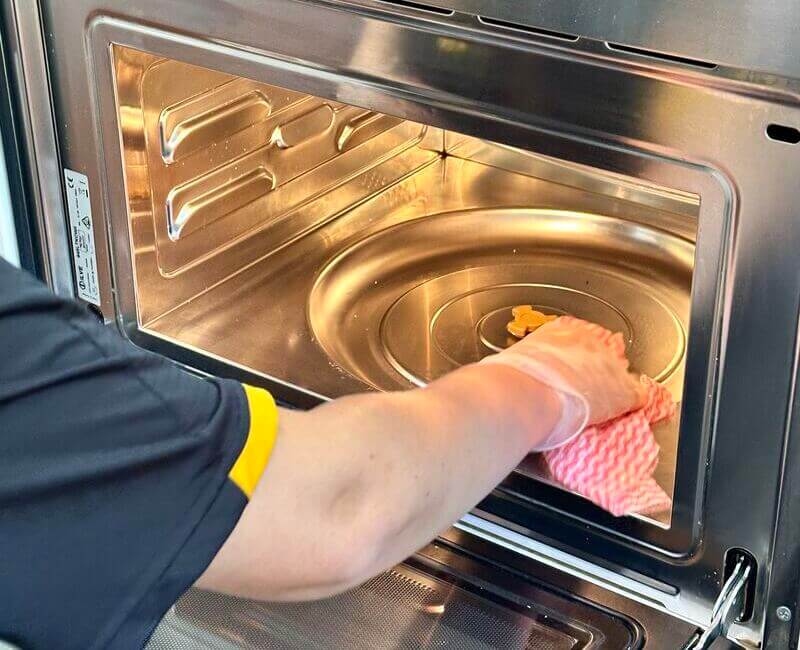
Bicarb soda can do wonders in the kitchen, though a little elbow grease is still needed.
If you’d rather skip the scrubbing, consider hiring a professional housekeeper — they can deep clean the kitchen and keep the rest of your home pristine, too.
Greasy pans and baking trays
Take your greasy pan or tray to the sink, then sprinkle baking soda over it. Afterwards, pour hot water over the surface.
Allow it to soak for 15–30 minutes, then carefully clean any baked-on grease with a non-abrasive sponge.
You can also use a thick paste of baking soda and dish soap to spot clean stubborn grease.
Benchtops
Need to treat stains on your benchtop? Baking soda can work wonders! It’s safe for most materials, including natural stone, quartz, or tile.
Start by mixing bicarb soda and water, aiming for a toothpaste-like consistency.
Spread it over the stain, then wait 5–10 minutes before lightly rubbing off the grime.
Dishwasher
To clean your dishwasher, combine 3 parts bicarb soda and 1 part warm water.
Apply the mixture onto the interior surfaces, and give it a few minutes to work. Clean any gunk with a soft brush or sponge, followed by a quick cycle for rinsing.
You can also use baking soda to remove bad odours from your dishwasher. Sprinkle one cup of baking soda onto the bottom of the appliance, then run a cycle with hot water.
Wipe the interior with a dry cloth, then allow everything to air dry.
Fridge and microwave
Dip a damp sponge into a baking soda paste, then apply it to any stains or grime inside the fridge or microwave. Let it sit for a few minutes.
Scrub gently with a damp cloth, and rinse clean with a separate clean rag afterwards.
You can also use bicarb soda to absorb odours coming from the appliance. Just leave a shallow bowl filled with bicarb soda inside for a few hours or overnight, and let it work its magic!
Oven
To clean a grimy oven with bicarb soda, make a paste using 3:1 bicarb soda and water, then add a few drops of dish soap. Spread the paste over the oven’s interior, avoiding the heating elements.
Let it sit for a few hours or overnight to loosen baked-on residue.
Then, scrub the surface with a damp microfibre cloth or an old toothbrush. Rinse everything thoroughly once you’re done.
Stove top
Spot clean food or oil splatters on the stove top with a thick paste made of baking soda and dish soap.
Apply it directly onto the affected areas. Let it sit for 15 minutes, or longer for tougher buildup.
Afterwards, use a gentle sponge to lift the stains, then rinse thoroughly with a clean, damp rag.
Cleaning the Bathroom With Bicarb Soda
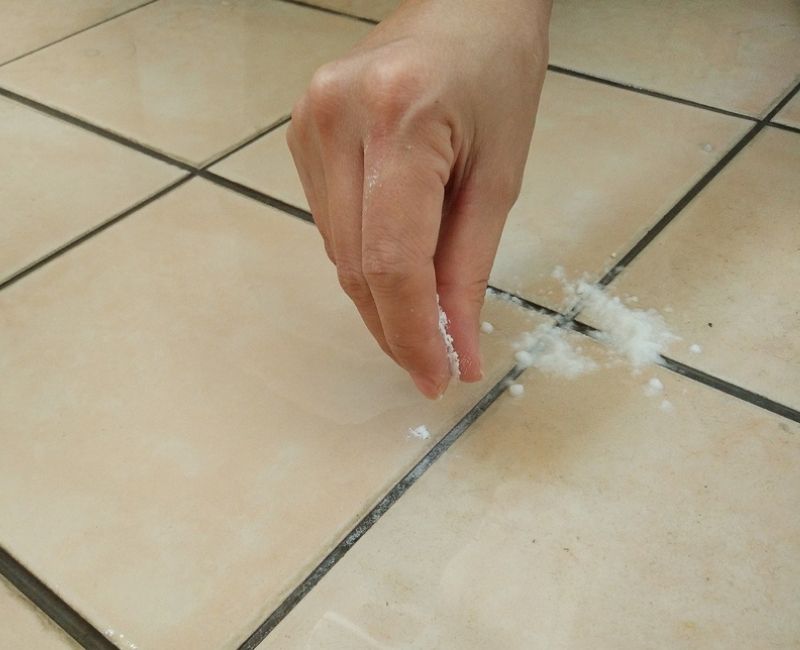
Bicarb soda can handle many bathroom cleaning jobs, from grout lines to the toilet bowl!
Bathtub and shower
Bicarb soda is gentle enough for most bathtubs and shower surfaces, including acrylic and fibreglass. It’s also handy for bathroom tiles, like ceramic or porcelain.
Mix baking soda and water, and spread it over the stains. Use a soft-bristle brush for scrubbing, then wipe off all residue with a well-wrung damp rag.
Grout lines
Baking soda is one of the simplest and most effective DIY methods for cleaning grout.
For light grime, a plain baking soda paste usually does the job.
For heavier stains or to brighten discoloured grout, try a mixture of baking soda and hydrogen peroxide. However, avoid using this on dark-coloured grout or tiles, since the peroxide has a mild bleaching effect.
Apply the paste directly over the grout lines, and let it sit for 10–15 minutes. Then, scrub using a grout brush or an old toothbrush to lift the dirt.
Toilet
If the toilet needs a quick refresh or deodorising, bicarb soda can help.
Flush the toilet first to wet the inside of the bowl, and wait for it to refill. Next, sprinkle a cup of bicarb soda over the bowl.
After a few minutes, give the toilet bowl a good scrub using a toilet brush. Finally, flush the toilet to rinse everything away.
You can also use a thick paste of bicarb soda to spot treat stains on exterior surfaces of the toilet.
Freshening Up Your Home With Baking Soda
Bicarb soda is a simple way to absorb moisture and neutralise odours around the home.
Mattresses and upholstery
If you’ve just treated stains on your mattress and there’s still a damp patch, sprinkle a little bicarb soda over the area. The powder helps draw out the remaining moisture while reducing any lingering smells.
Baking soda also works well for pillows or upholstered furniture, like arm chairs, bed frames, or sofas.
Apply an even layer of dry baking soda over the surface. Leave it for at least 30 minutes, so it has time to absorb odours.
Once it’s done, you can take the smaller items outside. Shake them out thoroughly or brush off the powder. Don’t forget to clean everything up with a broom and dustpan.
For larger or heavier items, simply sweep the powder up into a dustpan using a soft-bristled brush.
Cabinets and wardrobes
If musty smells tend to linger in your cabinets or wardrobes, baking soda can solve the problem!
Fill a jar with about 1 cup of baking soda, and place a lid with tiny holes on top.
You can also stretch plastic wrap over the opening, secure it with a rubber band, and poke a few holes in it.
Tuck it inside to keep things smelling fresh.
Rubbish bins
Kitchen and bathroom bins tend to get funky fast.
To keep bad smells under control, sprinkle a thin layer of baking soda at the bottom of the bin liner.
As you add rubbish, lightly dust the contents with baking soda every few days. This helps absorb moisture and neutralise smells!
How to Use Bicarb Soda for Laundry
Bicarb soda is a versatile laundry booster that can tackle stubborn stains and odours.
For smelly shoes, gym bags, or sports gear, sprinkle baking soda over the items and leave them overnight. This helps remove the stink before a full wash.
To pre-treat stains on clothing or other fabrics, dampen the affected area, and apply a thick paste of bicarb soda and water.
Leave it for 15–30 minutes, then gently rub the fabric together until the stain lifts. Wash as usual afterwards.
You can also use bicarb soda to freshen a full load of laundry.
Add half a cup of baking soda directly to the washing machine drum before loading your clothes, then run your usual wash cycle with detergent. Bicarb soda helps the detergent work better by altering the water’s pH.
FAQs About Baking Soda For Cleaning
Still got questions about cleaning with bicarb soda? Let’s clear some things up!
Can you use baking soda to clean sinks and drains?
Yes, but use it sparingly.
Baking soda can be used to spot clean stains on sinks, and it’s safe for acrylic, stainless steel, and porcelain finishes. Just avoid using too much, as the powder can contribute to buildup inside the pipes.
You can also use baking soda around drain openings to help remove stains and neutralise odours.
However, keep in mind that it won’t dissolve clogs. To clear blockages, try mechanical methods like a plunger or dedicated drain cleaners.
Where is baking soda not effective?
Baking soda is a great cleaning agent, but it won’t lift all types of grime.
Here are a few cases where other cleaners might be more effective:
INK STAINS: These typically require a solvent, such as rubbing alcohol, to break down.
HARD WATER STAINS: Acidic cleaners like white vinegar or citric acid work better for mineral deposits, such as limescale.
HEAVY RUST: Baking soda might help with new, small rust marks, but it’s unlikely to remove large or old rust stains.
MOULD AND MILDEW: While baking soda can lighten minor mould stains, it doesn’t kill the spores, so growth might return quickly.
SOAP SCUM: Bicarb soda can work on very light buildup, but thicker soap scum deposits respond better to acidic cleaners.
When tackling these stains, it’s usually better to rely on dedicated cleaning products.
Can you mop with bicarbonate of soda?
This is not recommended. While you can use baking soda to spot clean small marks, it’s not ideal for mopping the entire floor!
The powder can be difficult to rinse away. Plus, fine particles may get trapped in mop fibres, making cleanup more tedious.
If you’re mopping the floors, a solution of warm water with a few drops of dish soap is usually a more practical choice, especially for laminate or tile.
Is bicarb soda safe for septic systems?
Yes! Since bicarb soda is biodegradable and non-toxic, it’s safe for septic systems.
It can even help maintain the ideal pH that healthy bacteria need to thrive.
Is bicarb soda greywater-safe?
Generally, yes, but only in small amounts.
Bicarb contains plenty of sodium, and excessive amounts can harm plants and the soil over time. It’s also alkaline, so frequent use can raise the water’s pH.
However, baking soda is unlikely to cause issues if used sparingly. Still, it’s worth being mindful if your greywater is regularly used for the garden.
