
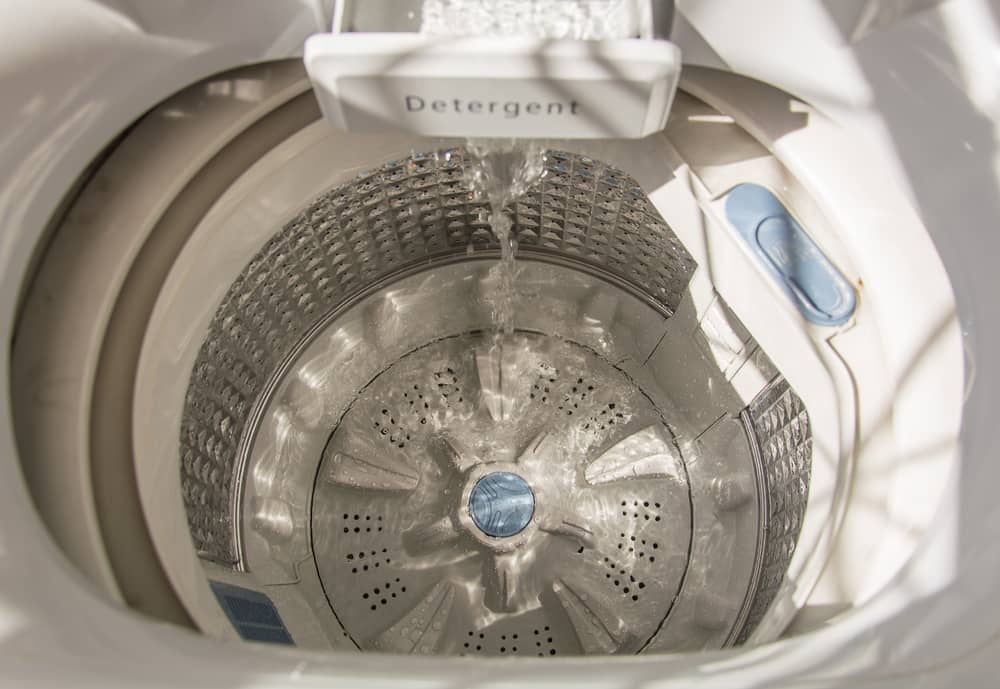
Your top load washer takes care of your sweaty clothes and dirty bed sheets… but when was the last time you cleaned the machine itself?
If newly-washed fabrics smell off or you see grime in the drum, your top loader likely needs a proper clean.
Maintaining a top load washing machine is usually straightforward.
Start by giving the removable parts (like detergent dispensers) a good soak and scrub. Then, run a hot wash cycle with vinegar or a specialised cleaner.
Need more guidance? We’ll explain how to clean a top load washing machine step by step, so your laundry comes out fresh every time!
How Often to Clean | Before Cleaning | Deep Cleaning | Cleaning a Smelly Top Loader | Maintenance Tips
Why Clean Your Top Load Washing Machine
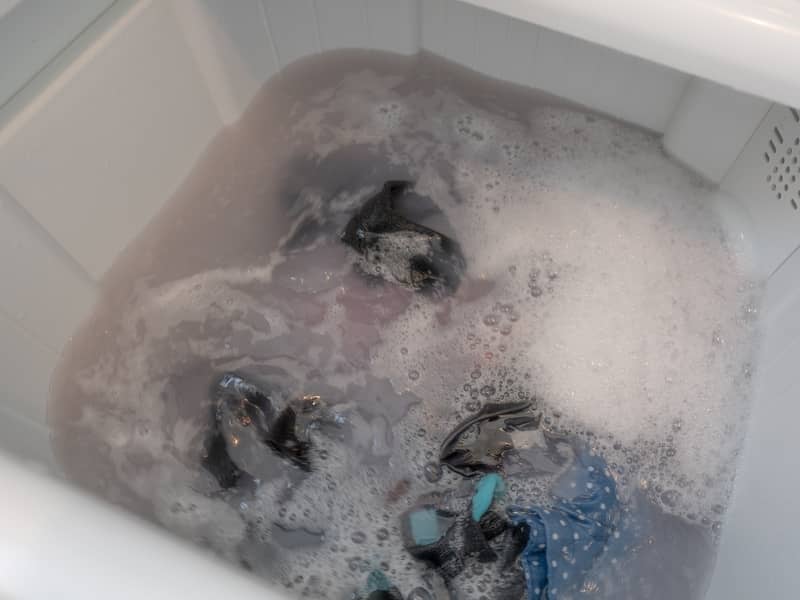
Cleaning your top load washer prevents buildup that can affect both your laundry and the machine’s performance.
Despite all the soap and water, top loaders don’t clean themselves.
Instead, residue from fabric softeners or detergents gradually forms a waxy sludge inside the machine. Hard water may also leave behind mineral deposits that cling to surfaces.
Moreover, lint tends to collect in corners, and the constantly damp interior can lead to mould and mildew.
All that gunk might stain fabrics or cause a musty odour. It also forces your machine to work harder than it should, which can quickly wear down some parts.
Regular cleaning extends the lifespan of your top loader and ensures your laundry stays hygienic!
How Often Should You Clean Your Top Load Washer?
Aim to run a cleaning cycle on your top load washing machine monthly.
You might need to clean it more often if you have hard water or use fabric softeners.
Other parts of the top load washer also need regular maintenance:
| PARTS | HOW OFTEN TO CLEAN |
| Lid and detergent dispenser | Weekly |
| Mesh lint filter | Fortnightly |
| Agitator | Monthly |
| Drain pump filter | Every 3–6 months |
Before Cleaning a Top Load Washing Machine
Before you get started, it’s helpful to understand how your top load washer works and gather the supplies you’ll need!
About top load washing machines
Maintaining top load washers is usually simple. Your cleaning routine typically involves the drum, the lint filter inside, and detergent dispensers.
That said, some washers have extra parts that need attention.
There are two main types of top load washers: those with an agitator and those without.
An agitator is a long spindle in the centre of the drum, which moves water and clothes around. However, that part can trap grime, so you’ll need to remove and scrub it.
In contrast, top loaders without an agitator are known as high efficiency (HE) washing machines, since they use less water and energy.
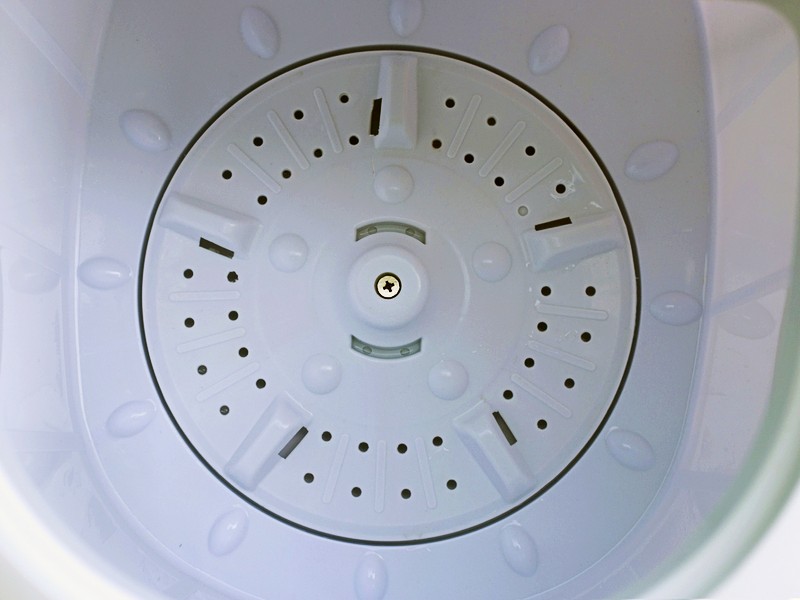
Instead of an agitator, you’ll find a low-lying disc (aka an impeller) at the bottom of the drum. The impeller spins during a cycle, swishing clothes and water around.
These models are generally easier to clean. However, it’s still worth checking for buildup under the impeller, especially if you notice a bad smell.
Some washers also have a drain pump filter near the hose. It traps lint and debris before water drains out, so it should be cleared regularly.
Since designs vary, always follow the manufacturer’s care instructions for safe dismantling and cleaning!
What to clean a top load washing machine with
Looking for the best way to clean a top loader washing machine? Simply run a hot wash cycle with distilled white vinegar.
Vinegar effectively breaks down any fabric softener or detergent residue, since it contains acetic acid. And don’t worry, it won’t leave a sour smell!
Other good options are 3% hydrogen peroxide, oxygen bleach, or a specialised washing machine cleaner.
To be safe, use just one cleaning solution at a time and never mix different substances. For example, combining vinegar and hydrogen peroxide creates a harmful irritant.
Keep these handy as well:
- Dish soap
- Pipe brush
- Spray bottle
- Old toothbrush
- Microfibre cloths
How to Deep Clean a Top Load Washing Machine
To clean the sludge from a top load washing machine, start with the removable parts like the lint filter and detergent dispensers.
After that, scrub any buildup inside the drum, then run a hot wash cycle with your chosen solution to clear any remaining gunk.
Step 1: Empty the top load washer
Make sure the drum is empty!
Remove any stray socks, coins, or small items that might have been left behind so they don’t interfere with the cleaning.
Step 2: Scrub dispensers and the agitator
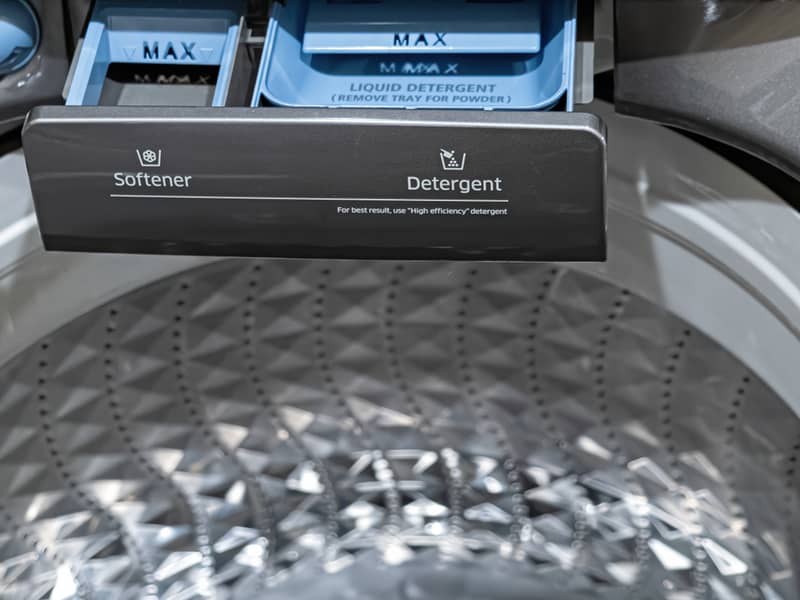
Take out the detergent, bleach, or fabric softener dispensers. If your top load washer has an agitator, dismantle it for cleaning as well — check the manual for instructions.
Fill the sink or a large bowl with warm water, and mix 1–2 cups of vinegar along with a little dishwashing liquid.
Submerge all the removable parts in the solution. Leave them for 15–20 minutes to loosen any stubborn grime.
Use an old toothbrush to tackle any remaining buildup, paying attention to corners and grooves.
When you’re done, rinse all the parts thoroughly with fresh water.
Step 3: Clean the mesh lint filter
Pop out the mesh lint filter — it’s usually located inside the washer, along the side of the drum. Scrape off any clumps of lint and throw them in the bin.
Rinse the mesh under running water while gently rubbing away the buildup by hand or with a soft brush.
Step 4: Spot clean the drum
Check the top load washer drum for any visible grime.
If you spot buildup, mix equal parts warm water and vinegar in a spray bottle, then add a few drops of dish soap.
Spray the solution directly onto the affected areas, and let it sit for 10–15 minutes. Then, gently scrub the stains using an old toothbrush.
When you’re done, wipe away any residue with a damp cloth.
Step 5 (optional): Clean the drain pump filter
If your machine has a drain pump filter, you’ll need to take it out for cleaning.
Place a basin underneath to catch any leftover water. Open the panel carefully, and remove the filter.
Soak it in a vinegar solution for about 15–20 minutes, scrub off any buildup, and rinse well.
Step 6: Reassemble your top load washer
After cleaning the drum, put all the parts you dismantled back in place. That includes the mesh lint filter, dispensers, and agitator.
If you removed the drain pump filter, reinstall it as well.
Check that everything is securely in place before you start a cleaning cycle.
Step 7: Run a hot wash cycle
To clean the inside of your top loader washing machine thoroughly, add your chosen solution to the drum. Be sure to use the correct amount:
- Vinegar: 3–4 cups
- 3% hydrogen peroxide: 2–3 cups
- Washing machine cleaner: follow the product instructions
Set the top load washing machine to the longest wash cycle, using the hottest water setting and maximum water level.
Run the cycle, and pause it midway if the machine allows. Wait 15 minutes before resuming, so the drum and internal parts can soak in the cleaning solution.
That helps loosen any stubborn sludge inside the top load washer.
Step 8: Rinse thoroughly
Once the cleaning cycle is complete, run one final rinse cycle.
This flushes out any leftover cleaner and ensures that your top load washer is completely free of residue.
Step 9: Wipe down the interior and exterior
Dry the interior of your top load washing machine with a microfibre cloth.
Give the exterior a quick clean, too.
Dip a soft cloth into soapy water, wring it out, and wipe down all surfaces. Go over everything again with a damp cloth to rinse off any remaining soap.
Step 10: Let the top load washer air dry
Leave the lid open for about 15–20 minutes to allow the drum to air dry completely.
This helps prevent mould and mildew, and keeps your washer fresh between uses.
How to Clean a Smelly Top Load Washing Machine
A hot wash cycle with vinegar usually works for cleaning a smelly washing machine.
But if your washer still smells afterwards, there could be grime or mould hiding in hard-to-reach places.
Check these areas for buildup:
- Drain hose
- Drum edges
- Any rubber seals on the lid
- Under the agitator (if your machine has one)
Spot clean dirt with 1:1 water and vinegar with a few drops of dish soap. Spray it on the affected areas, and let it sit for about 15 minutes.
To remove mould from your top load washing machine, here’s what you can use:
- Undiluted vinegar: Leave for 1 hour
- 3% hydrogen peroxide: Leave for 15 minutes
After soaking, gently scrub the stains with an old toothbrush and wipe off the residue with a damp cloth.
Run another cleaning cycle, followed by a rinse cycle. Finally, keep the door ajar for a few minutes to let the top load washer air dry.
If the funky odour persists, it might be coming from the drain or plumbing. At that point, you might need to consult a professional to solve the issue.
More Tips to Keep Your Top Load Washer Fresh
Keeping your top load washer clean comes down to reducing buildup and moisture.
Using a high-efficiency (HE) laundry detergent helps, since its low-suds formula rinses out easily. Remember to use the correct amount per the product label.
It may also be best to skip fabric softeners, since most types can leave a waxy film.
Instead, white vinegar is a residue-free alternative. Add half a cup to the rinse cycle to soften fabrics naturally.
Lastly, always leave the lid open for a few minutes after each wash.
Allowing the drum to dry out fully helps prevent mould and mildew. It can also keep your top load washer smelling fresh between cycles.
Got too much on your plate? Consider hiring a housekeeper to handle your other chores! They can run a laundry load or two, and deep clean the rest of your home.
FAQs About Cleaning a Top Load Washing Machine
Your washer works hard, so don’t let it stay soiled!
Here are more tips to keep your top load washing machine running like new.
Is a top load washer easier to clean than a front loader?
Generally, yes! Cleaning a front loader can be trickier, since bacteria, mould, and grime can gather under the rubber door seal.
That said, consider where they open (which is the main difference between front and top loaders!).
Top loaders have a lid at the top. That makes adding clothes easier, but you have to reach farther down into the drum to get to the bottom parts.
On the other hand, it’s a bit easier to access the interior surfaces of front loaders, since the door opens at the front.
How to clean a top load washing machine without an agitator
Cleaning a top load washing machine without an agitator is essentially the same as cleaning one with an agitator! It’s a bit easier, though, since there’s one less part to scrub.
That said, dirt and residue can sometimes accumulate under the impeller at the base of the drum. If you need to dismantle it, check your product manual first.
Consult a professional if the process is too tricky, so you don’t end up damaging your machine!
Should you use baking soda and vinegar to clean your top load washer?
You may see tips online suggesting you add baking soda to the cleaning cycle along with vinegar. However, that’s not really effective.
Vinegar is acidic and baking soda is alkaline, so they’ll neutralise each other when combined. This reduces their cleaning properties rather than boosting them!
Can you use chlorine bleach to clean your top load washing machine?
Yes, but it’s best reserved for a heavy-duty disinfection, particularly if you haven’t cleaned your top loader in a long time.
Bleach is very effective at killing bacteria and mould, and it’s a great stain remover. However, overusing it can corrode metal parts or weaken rubber seals.
It also has a very strong smell and can be dangerous when mixed with other solutions (like vinegar!).
For a gentler alternative, 3% hydrogen peroxide or oxygen bleach can work, since they help reduce germs and odours as well.
If you really need to clean your washing machine with bleach, make sure the laundry area is well-ventilated.
Use just ½ to 1 cup of bleach, or check the directions on the bottle. Run a rinse cycle afterwards to ensure that no residue is left.
