
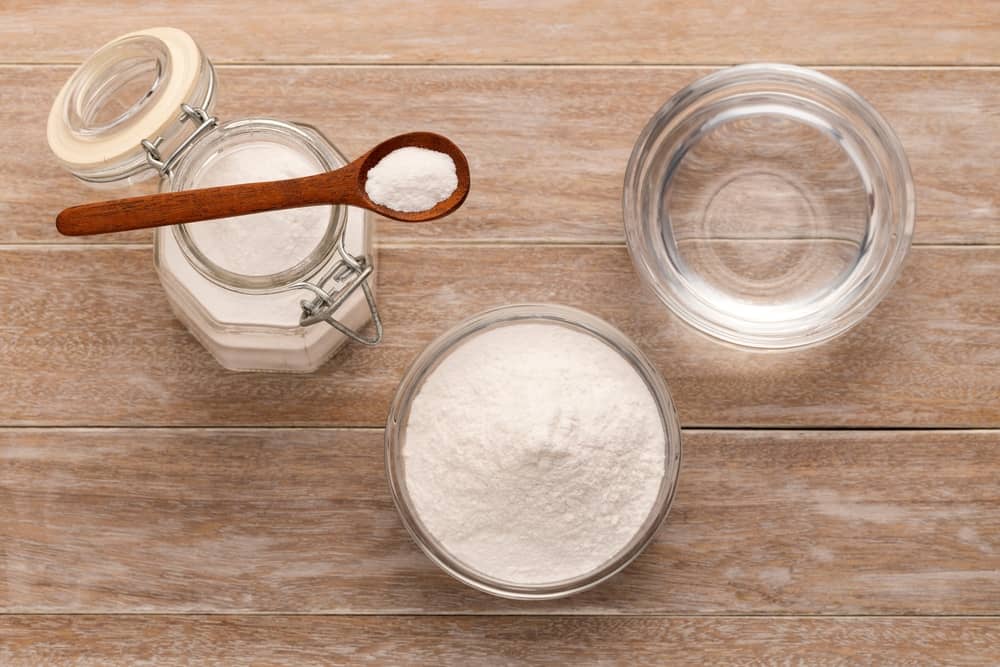
Baking soda and baking powder are best known for their roles in cooking. Since they both act as leaveners, they help baked goods like cakes and cookies rise.
However, they’re not only for the kitchen! Many people also use them for cleaning — and this is where things can get confusing.
While these two white powders look similar, they’re not interchangeable when you’re tackling grime.
So, which is more effective for cleaning: baking soda or baking powder?
Baking soda’s alkaline nature makes it the better cleaning agent. It can cut through everyday stains and heavy grease, and is also a natural deodoriser.
That said, baking powder can still be helpful for light marks or delicate surfaces.
Not sure when to reach for each one? We’ll explain everything about baking powder vs baking soda, so you can use them properly!
Cleaning With Baking Soda | Cleaning With Baking Powder
What Are the Differences Between Baking Soda and Baking Powder for Cleaning?
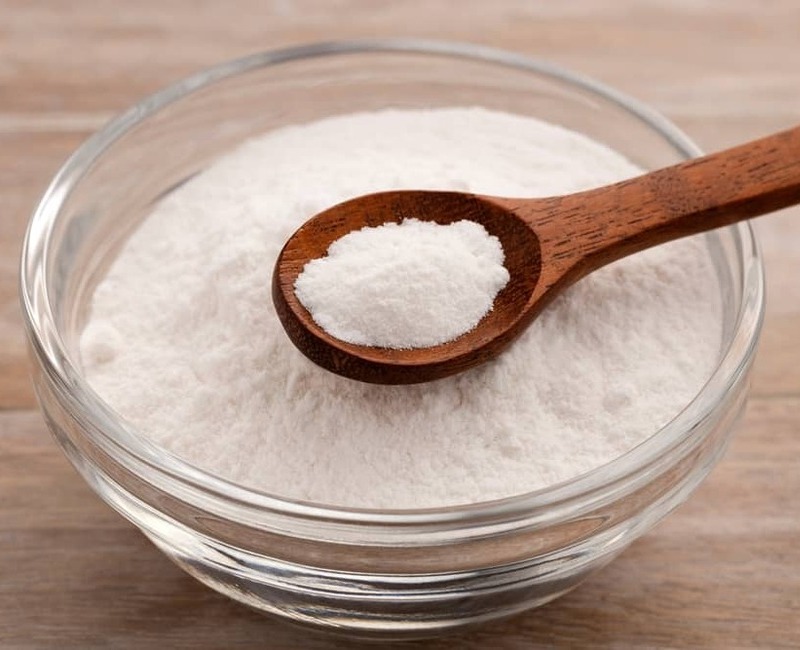
These ingredients are chemically distinct, and that influences their cleaning effectiveness.
Baking soda is pure sodium bicarbonate, which is why it’s also called ‘bicarb soda.’
It works well for cleaning mainly because of the high pH level (about 9.0) and slightly gritty texture.
Since baking soda is highly alkaline, it can break down stains caused by acidic substances, like oil or grease.
The tiny, crystal-like particles also add to its scrubbing power, helping loosen stuck-on grime. At the same time, baking soda is gentle enough not to scratch most surfaces.
Baking powder, on the other hand, contains a mix of baking soda, acid components (like cream of tartar), and starch.
Its pH is closer to neutral, so it’s not as powerful as baking soda when it comes to dirt buildup.
Here’s a quick look at baking soda vs baking powder for cleaning:
| BAKING SODA (or BICARB SODA) | BAKING POWDER |
| 100% sodium bicarbonate | Bicarb soda + acids + starch |
| Highly alkaline, great cleaning power | Nearly neutral, less cleaning power |
| Mildly abrasive | Softer and less abrasive |
| Can neutralise bad odours | Not effective for odours |
| Best for general or deep cleaning | Best for light stains or when baking soda is unavailable |
What can you clean with bicarb soda?
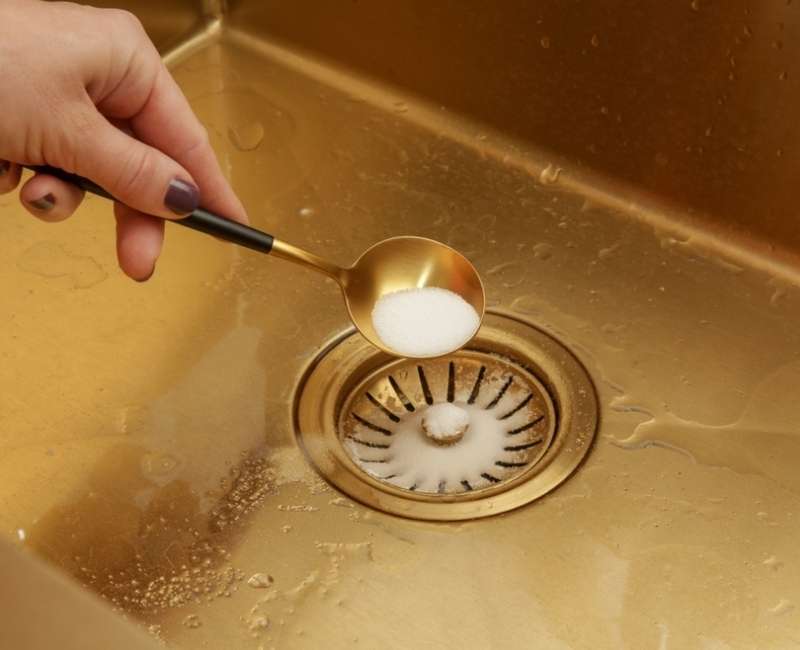
There’s a surprisingly long list of things you can clean with baking soda.
For example, it’s usually safe for spot cleaning walls and floors. Many people also use it to make a DIY grout cleaner, or tackle light stains on bathroom and shower surfaces.
Where baking soda really shines is in the kitchen. It’s powerful against grease, stubborn food stains, and odours. You may use it to:
- Remove grease from kitchen walls
- Loosen burnt-on residue in pots and pans
- Clean a greasy rangehood filter or stove top
- Tackle acidic stains caused by coffee, wine, or tomato sauce
Bicarb soda also helps with tough grime on acid-sensitive surfaces, like natural stone benchtops or tiles (e.g. marble, granite).
Moreover, it makes a wonderful laundry booster!
Because baking soda reacts with biological stains (those caused by natural body oils or fluids), it works on marks caused by blood, sweat, urine, or vomit.
It’s effective for:
- Lightening yellowed armpits and necklines on shirts
- Lifting blood stains from sheets and other fabrics
Baking soda also has a mild “bleaching” effect, which makes it great for whitening bed linens and clothes.
You can also use it to treat organic stains on mattresses, pillows, or upholstered furniture.
How to use baking soda to remove stains
When treating stains, the best approach is to make a baking soda paste.
You can mix baking soda with plain water, but adding dish soap or 3% hydrogen peroxide helps with more stubborn marks.
Here’s how to prepare your baking soda paste:
| HOW TO PREPARE | IDEAL FOR |
| Mix 3 parts baking soda and 1 part water | Everyday dirt or stuck-on grime |
| Mix equal parts baking soda and dish soap | Tough stains or heavy grease |
| Mix 2 parts baking soda and 1 part 3% hydrogen peroxide | Whitening fabrics or dirty grout lines |
IMPORTANT: Do not store the baking soda + peroxide paste in a sealed container. It may build pressure and cause the container to burst or overflow when opened. Only mix what you need and dispose of any leftovers immediately.
Before using the paste on any surface, do a spot test in a small, hidden area. That way, you can check that it won’t discolour or damage the material.
If it’s safe, apply the baking soda paste directly onto the stain using a slightly damp sponge. Leave it on for 10–15 minutes, or a bit longer for tougher marks.
Gently scrub the area with a soft cloth or old toothbrush, and rinse off all residue with a damp cloth. Let the surface air dry, or go over it with a clean, dry rag.
Rather skip the scrubbing? While baking soda does wonders for cleaning, booking a professional house cleaner is even more convenient!
How to use baking soda to remove bad smells
Baking soda is great for neutralising unpleasant smells. You can use it in powder form on:
- Bins
- Shoes
- Pillows
- Mattresses
- Upholstered furniture
Sprinkle baking soda generously over the surface. Let it sit for a few hours, or even overnight.
When you’re ready to remove the baking soda, do not use a vacuum cleaner, as the fine particles can clog or damage the filters!
Instead, give the items a good shake outside. Then, sweep up the baking soda with a dustpan.
Finally, wipe off any residue with a lightly damp cloth and let the surface dry completely.
Moreover, you can use baking soda to deodorise appliances, like the microwave or oven. Plus, it’s especially useful if your fridge still smells bad even after cleaning!
To start, fill a bowl with 500mL of water and mix 1–2tbsp of baking soda.
Dip a microfibre cloth into the solution, and wring it out well. Wipe the interior of your appliance thoroughly, going over all surfaces and corners.
Afterwards, rinse any residue with a damp cloth and dry everything with a separate, clean towel.
If the smell is still there, put some baking soda in a wide, shallow bowl. Leave it inside the appliance for a few hours to help absorb any lingering odours.
Can I Use Baking Powder Instead of Baking Soda for Cleaning?
While it’s less effective than baking soda, you can still use baking powder for cleaning if you’re in a pinch!
Just keep in mind that baking powder won’t work for funky smells or stubborn stains.
Baking powder uses for cleaning
Ran out of baking soda? Baking powder can work for very light cleaning tasks — for example, if you’re dealing with tiny, fresh stains.
Baking powder is also suitable for natural stone surfaces. Since it’s more pH-balanced, it’s unlikely to etch or discolour the material.
That said, baking powder is not a good choice for upholstery or fabrics. The tiny particles can stick to the cloth and become very hard to rinse off, especially once they get wet.
How to use baking powder for cleaning
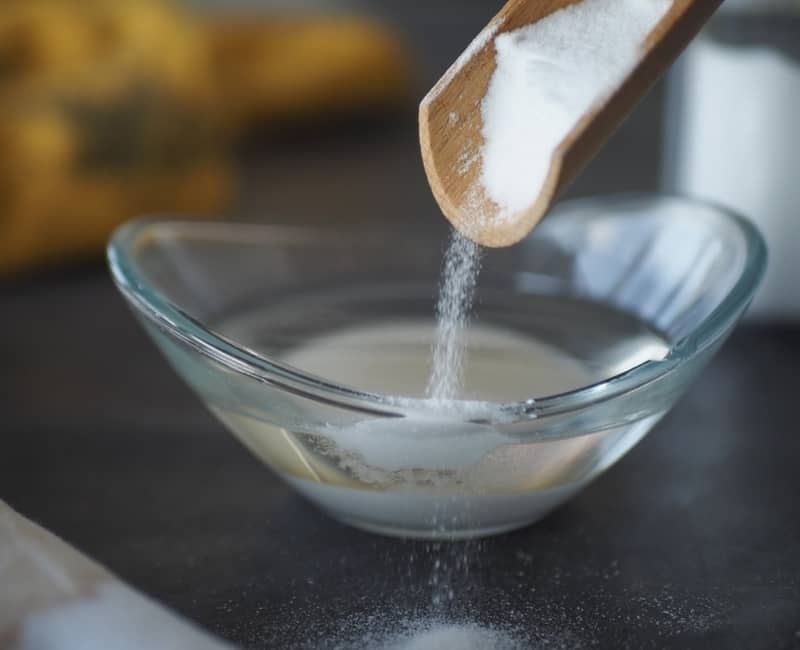
Cleaning with baking powder works much like cleaning with baking soda.
To start, form a thick paste by mixing baking powder with a small amount of water.
Dip a soft sponge into the baking powder paste, and apply it onto the affected area. Gently scrub, then remove all residue with a damp cloth.
Take your time when rinsing! Baking powder contains starches (like corn starch), so it can be tricky to wipe off.
Any remaining powder may dry into whitish streaks or make the surface look cloudy.
FAQs: Using Baking Soda or Baking Powder for Cleaning
Let’s clear up a few misconceptions about using baking powder and baking soda for cleaning!
Can I mix baking soda and baking powder for cleaning?
Nope — mixing them doesn’t make your cleaner stronger! In fact, it can make baking soda less effective.
When combined, baking powder will just dilute the baking soda, lowering its pH and weakening the grease-fighting power.
To make baking soda more effective for cleaning, combine it with dish soap or 3% hydrogen peroxide instead.
Can I mix vinegar with baking soda or baking powder?
It’s best not to mix white vinegar with baking soda or baking powder.
Baking soda plus vinegar is a popular DIY hack, as combining them creates a reaction that releases carbon dioxide gas. Many people think those gas bubbles help break down stains.
In reality, though, baking soda is alkaline and vinegar is acidic. When mixed, they cancel each other out, so they both lose their cleaning power.
(The same happens when you mix baking soda with other acidic substances, like lemon juice!)
Mixing baking powder with vinegar is not useful as well.
Baking powder can reduce vinegar’s acidity, so the paste you’ll get is less powerful. For cleaning purposes, it’s better to use white vinegar alone!
Should I use baking soda or baking powder instead of regular cleaners?
Baking soda can be a great natural alternative to harsh chemicals, while baking powder isn’t very effective for cleaning.
That said, baking soda is not a catch-all solution, even if it’s versatile!
For example, you should avoid using baking soda on aluminium cookware, as it can darken the surface. Moreover, it’s not that effective for disinfecting surfaces, tackling mould, or lifting alkaline stains like soap scum.
In these cases, it might be better to use specialised cleaning products, or even gentle acids like citric acid and vinegar.
