
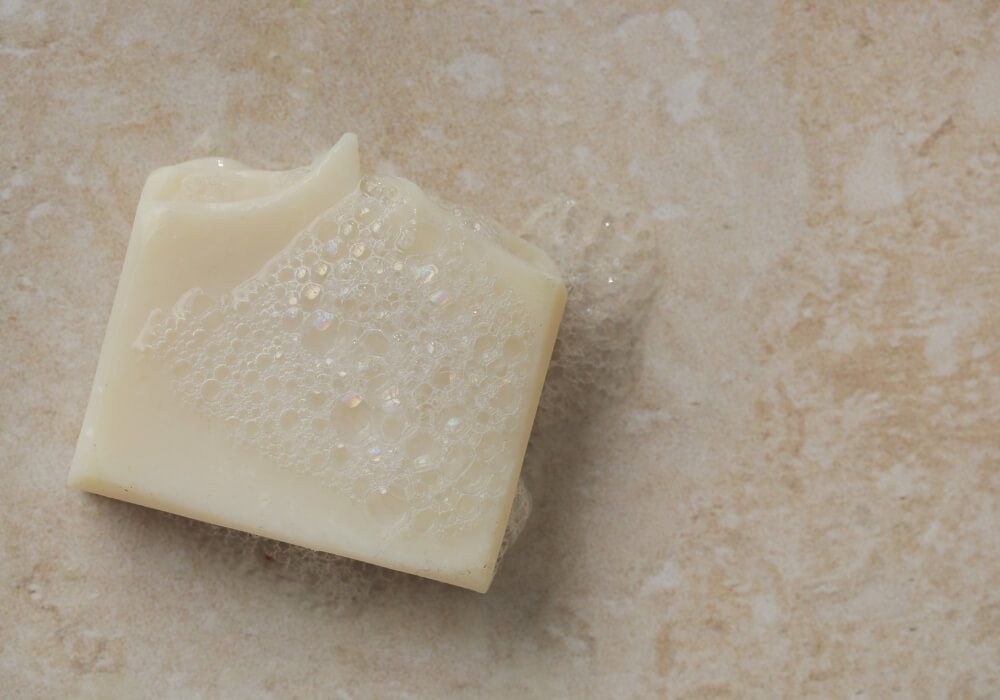
If you’re curious about natural alternatives for home cleaning products, you’ve probably seen Castile soap mentioned for a lot of things.
An all-purpose cleaner, dishwashing detergent, laundry detergent, even floor cleaner… What can’t this plant-based soap do? (Well, quite a few things, but we’ll talk about that later.) Plus, having a multi-use cleaner means you need fewer products and get less plastic.
Since it’s a concentrated product, you’ll need to dilute Castile soap with water first. Then you can spray it onto surfaces, apply it with a damp cloth, or even use it to mop floors!
Alongside vinegar and baking soda, Castile soap is another versatile product to help maintain your home. Here are the best ways to use Castile soap for cleaning.
Before Cleaning | Using Castile Soap for Cleaning | Removing Residue | When Not to Use Castile Soap
Is Castile Soap Good for Cleaning?
Yes! Castile soap is a popular household cleaner, especially as an alternative to commercial cleaning products. It can be diluted with water to clean a variety of surfaces, from the dishes to the walls.
Castile soap is most effective as:
- Dishwashing detergent alternative
- Laundry detergent alternative
- Sealed woodwork cleaner
- Hard surface cleaner
As it’s mildly alkaline (pH 8–9), Castile soap is also good for washing off light grease on kitchen surfaces.
If you’re wondering, “Is Castile soap safe for cleaning?” — yes, it is. It’s made with natural ingredients and is safe for both children and pets. You can even use the plain version as a pet shampoo!
What to Know Before Cleaning with Castile Soap
Don’t slather Castile soap onto a surface just yet! Just like other natural cleaners, there’s some “good to know” information before you start working.
What’s Castile soap made of?
Pure Castile soap is made from olive oil, water, and lye (either sodium hydroxide or potassium hydroxide). That sets it apart from tallow-based traditional soaps (which use animal fats) or modern detergents (which have synthetic ingredients).
Modern variations use a blend of plant oils, such as hemp, jojoba, palm kernel, and coconut oil. Other possible ingredients include glycerin and scent sources like essential oils.
How to dilute Castile soap for cleaning
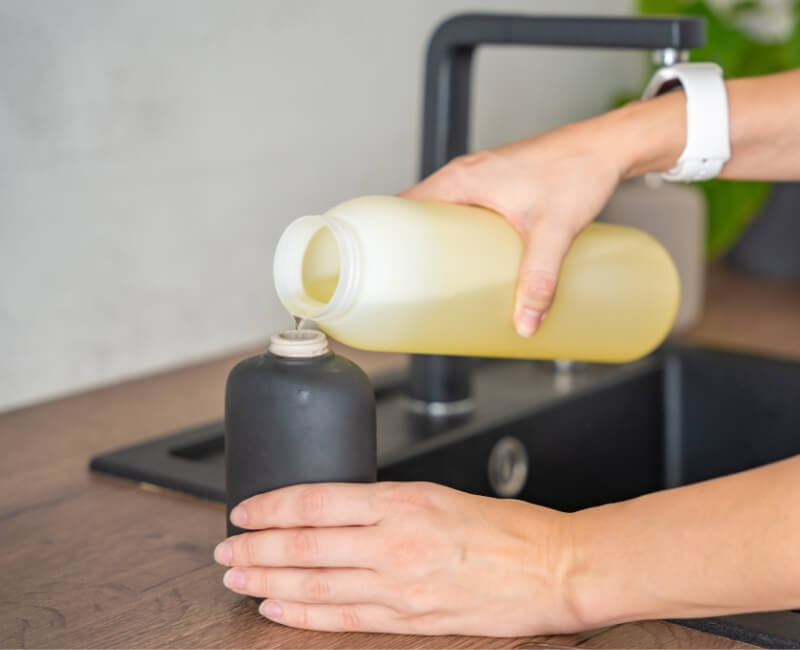
Since liquid Castile soap is a concentrated solution, you’ll need to dilute it with water before use, depending on what you’re cleaning. But for general use, this is the recommended dilution:
| All-purpose cleaner | 1/4 cup (60ml) Castile soap per 1 litre of water |
Don’t mix Castile soap with anything acidic (like white vinegar or lemon juice)! Castile soap is made with oils, which get broken down by the acid to create a white, sticky residue, almost as if it’s curdled. The resulting film can then be hard to remove.
More generally, stick to water for diluting, and avoid combining it with other commercial cleaners.
What are the downsides of Castile soap?
While it’s a versatile, natural cleaner, Castile soap does have its downsides! When cleaning hard surfaces, it may leave soap scum or a salt deposit behind, especially with hard water. It’ll take some extra effort to rinse off the residue after use.
Castile soap can also have a higher upfront cost than an all-purpose cleaner from the shops. Since it needs to be diluted, a bottle will last a while, but it’s a consideration for budget-conscious households.
The need to mix the soap also means it’s less convenient than a pre-formulated spray. And once mixed, it has a shorter shelf life — it’s best to use diluted Castile soap within 2–3 weeks. A commercial cleaner, or even something like vinegar, will last much longer.
Is Castile soap septic safe?
Yes, traditional Castile soap is septic-safe. The ingredients are all readily biodegradable and not harmful to the bacteria in a septic system.
It’s also greywater-safe even for gardening, and in fact, Castile soap is often used (heavily diluted, of course) as an insecticidal soap for plants.
Using Castile Soap for Cleaning Around the House
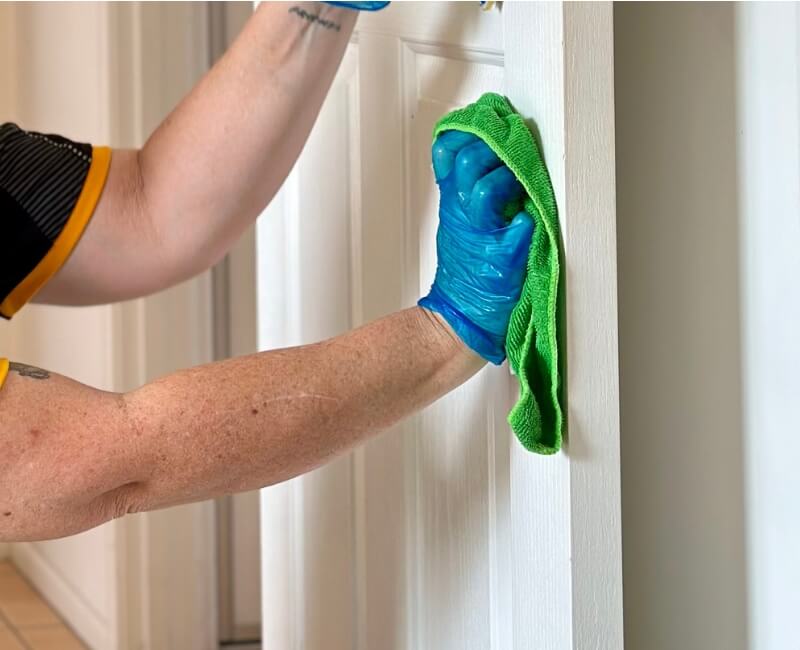
Castile soap is a fantastic, versatile product that can tackle everything from dishes to painted walls. We’ve put together some of our favourite Castile soap uses for home cleaning here.
Just remember to wear rubber gloves while you work, especially if you have sensitive skin. Or, if you’ve got a Maid2Match cleaner coming, you can ask them to use your preferred Castile soap to work!
Washing dishes
| DILUTION | 1 part Castile soap to 10 parts water |
Castile soap makes a good dishwashing detergent for hand-washing dishes. You can look for a scented version to add freshness, or add a few drops of a citrus essential oil to your mix.
Use the diluted Castile soap like you would standard dish soap. Keep the solution in a squirt bottle and add some to your sponge or squirt into a sink full of hot water for soaking. You can also mix some inside the dispenser of a dish wand or scrubber.
However, you should not use Castile soap in the dishwasher. Major brands such as Dr Bronner’s advise against it, since it can deposit a film on your dishes and the dishwasher interior. It could also get too sudsy inside!
Washing clothes
| DILUTION | 1/4–1/3 cup per load (or half the amount for HE washers) |
Castile soap is a popular natural alternative for laundry detergent, especially the unscented version. Add it to the detergent dispenser just like a regular detergent. If you live in a hard water area, you can add half a cup of baking soda to the wash water to give the Castile soap a “boost.”
Alternatively, if you have a Castile soap bar, grate it up and mix with 1 cup of washing soda. Use 2 tbsp of this detergent per load of laundry.
Just be sure to add 1/4–1/2 cup of white vinegar to the rinse cycle (either in the tub or the rinse aid compartment), which should help remove any remaining soap. Do not add it to the main wash cycle. The acid could cause the oils in the soap to separate and leave an annoying residue on all your clothes!
For hand-washing delicate items, add about 1 tbsp (15ml) Castile soap per 4 litres of cool water.
Wiping kitchen surfaces
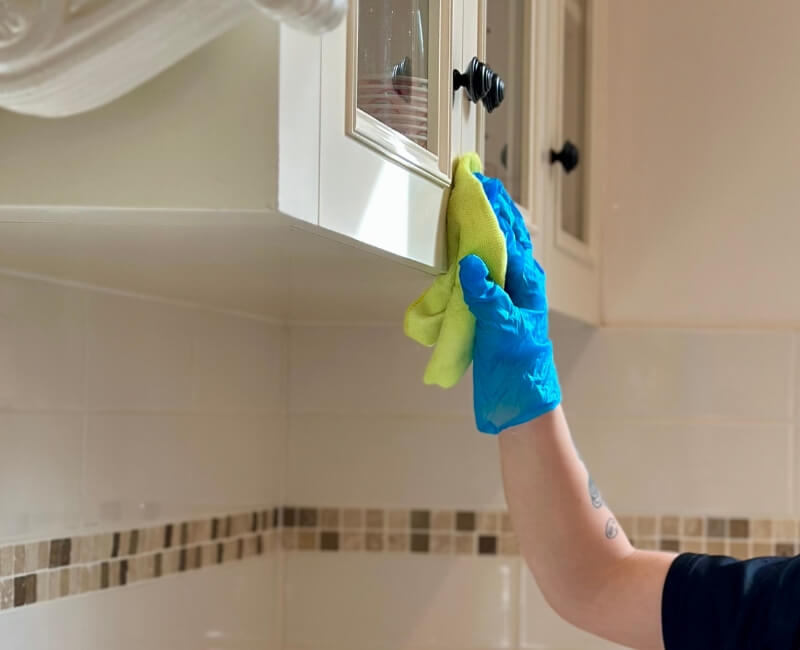
| DILUTION | 1/8 cup (30ml) per 500ml of water in a spray bottle |
You can use Castile soap to clean different surfaces around your kitchen, such as:
- Kitchen sinks
- Glass cooktops
- Kitchen cabinets
- Sealed stone benchtops
- Stone and tile splashbacks
As a gentle solution, Castile soap can clean sealed natural stone, so long as it’s properly diluted and then rinsed off.
You can also make a cleaning paste by mixing 1/4 cup baking soda with 1 tbsp each of liquid Castile soap and water. Apply it to the grimy spot and wait a few minutes before scrubbing the surface clean.
Wash off the residue with a damp microfibre cloth, then thoroughly dry the surface afterwards.
Cleaning floors
| DILUTION | 1/8 cup (30ml) per 4 litres of warm water |
Castile soap works as a floor cleaner for sealed hard floors, such as tile, laminate, vinyl, and stone. You can also use it for sealed hardwood floors, as long as they don’t have oil- or wax-based sealants.
Just be sure to dilute the soap properly — too much could dull the finish or cause a sticky residue on the floors.
Mix your floor cleaner in a mop bucket, and mop your floors as usual. Afterwards, go over the surfaces with a mop dampened with hot water to rinse. Then use a fresh mop head or some old towels to dry the floors when you’re done.
You can also mix 1/2 tsp of Castile soap with 500ml of warm water in a spray bottle and use that to spot-clean stains.
Cleaning bathroom surfaces
| DILUTION | 1/8 cup Castile soap plus 500ml water in a spray bottle |
Use this multi-purpose spray for cleaning non-glass surfaces around your bathroom, such as benchtops, tile walls, sinks, and even bathtubs. You can add essential oils like tea tree or eucalyptus for a fresh scent.
Always go over the surface with a soft cloth dampened with clean water afterwards, to remove any lingering soap.
NOTE: Avoid using the multi-purpose solution on shower glass or mirrors, since Castile soap can leave streaks!
To clean your toilet, though, you’ll need a stronger solution — 1 part Castile soap plus 4 parts water in a spray or squirt bottle.
Before you start, close the water valve and flush the toilet to drain most of the water. Then sprinkle a cup of baking soda around the bowl. Saturate the surfaces with your DIY toilet cleaner and scrub everything clean with a toilet brush.
Finally, turn the water back on and flush the toilet afterwards to “rinse.”
Cleaning walls
| DILUTION | 1/8 cup (30ml) per 4 litres of hot water |
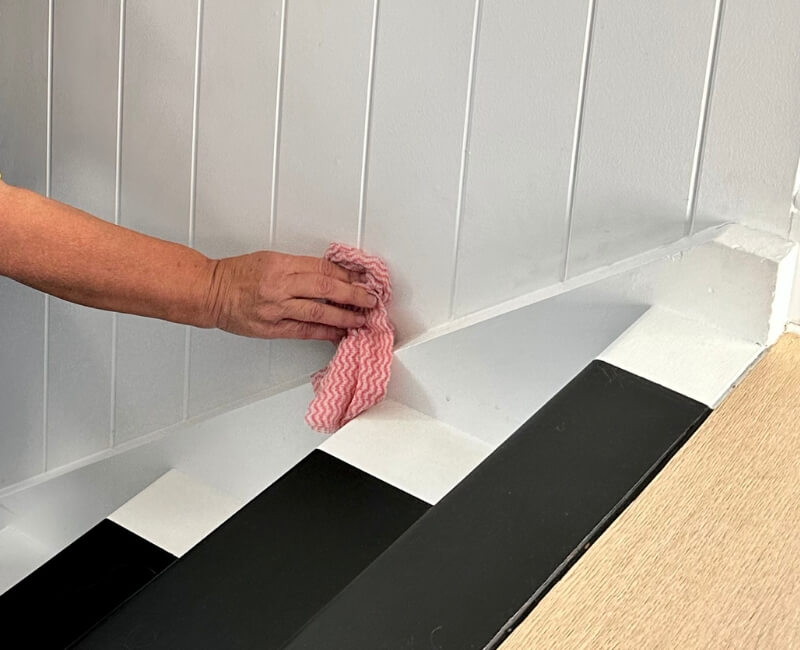
Got scuff marks, greasy spots, or general grime on painted and tile walls? Castile soap works there, too — just be sure not to get the walls too wet if you have flat, eggshell, or matte finishes.
To clean your walls, mix up your cleaning solution in a bucket. Dip in a microfibre cloth (for small areas) or a flat microfibre mop (for large or high areas), then wring it out so it’s just damp. Then go over the wall, working from top to bottom and one side to another.
Follow with a clean cloth or mop dipped in fresh water to rinse, then wipe the walls dry.
NOTE: Do not use this solution for cleaning wallpapered or brick walls, or for wooden walls unless allowed by the manufacturer. Those require minimal moisture, if at all, and light dusting or wiping only.
Cleaning wood furniture
| DILUTION | 1/8 cup (30ml) per 4 litres of hot water |
For painted or sealed woodwork — without an oil or wax finish — dampen a microfibre cloth with your Castile soap cleaning solution. Wring it out so it’s just damp, and use that to wipe wood furniture and other items clean.
Do not spray the solution directly onto wood, since you want just a little moisture when working.
Any stubborn dirt, or grooves and crevices, can be scrubbed with an old toothbrush dipped in the mixture.
When done cleaning, follow with another cloth lightly dampened with clean water. Then dry all the wood surfaces; otherwise, excess moisture could lead to warping, cracking, or even mould.
Cleaning carpets
| DILUTION | 1 tbsp Castile soap per 4 litres of water |
You can use diluted Castile soap as an alternative to carpet shampoo! Be sure to add only a small amount (about 1 tbsp) to your carpet cleaner’s reservoir and use distilled water. Then test the solution on an inconspicuous spot first.
If you’re washing a rug or carpet by hand, add 1–2 tsp (that’s teaspoons!) of Castile soap per litre of hot water.
After cleaning the carpet, follow with a plain water rinse, then a white vinegar rinse. This will dissolve any remaining traces of the soap and remove lingering odours, too.
How to Remove Residue from Castile Soap After Cleaning
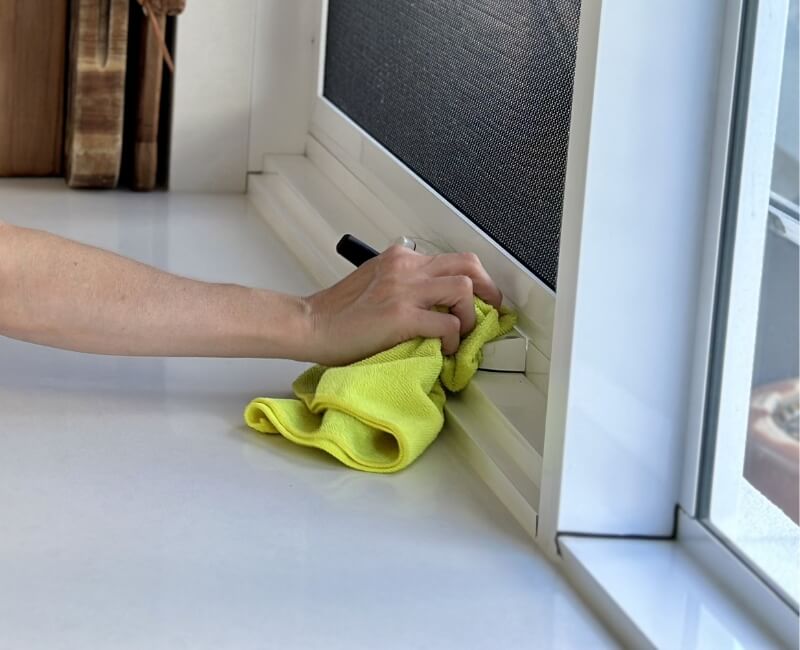
When using Castile soap, you’ll need to be careful not to leave a residue by diluting and applying it correctly.
However, if you do end up leaving stuff on the surface, here’s how to fix that.
Residue from hard water
Leftover salt film or soap scum usually happens if you use too much Castile soap, don’t dilute correctly, or have hard water. Hard surfaces are most prone to this, but it can occur on most materials.
While you don’t want to mix acids with Castile soap while cleaning, they’re useful for cutting through any residue leftover afterwards. Combine equal parts warm water and white vinegar (or lemon juice) in a spray bottle. Saturate the affected area, wait a minute or two, and then wipe the surface clean.
Prevent residue by using the correct dilution (check the package recommendations if you’re unsure) and rinsing the surfaces after cleaning.
Residue from mixing acid
Now, if you inadvertently mixed an acid (like vinegar) with your Castile soap, the approach will be different. Since the soap has “unsaponified” and separated, acids won’t be able to remove the remaining oily residue.
Instead, re-wash the surface with the correct dilution of Castile soap and water, or use another detergent like dish soap. You may need to do this a few times to remove all the oily gunk.
Rinse the surface with water and a damp cloth, then follow with a quick wipe with diluted vinegar to break down any remaining soap scum.
Finally, dry the affected area with a soft cloth.
When Should You NOT Use Castile Soap?
Like many other products, there are some things you shouldn’t clean with Castile soap, or situations where it’s better avoided.
People with skin conditions
For the most part, Castile soap is safe to use even with sensitive skin. Do a patch test on a small part of your body to be sure, though. If you experience any reactions, skip the Castile soap.
However, if you have skin conditions (such as dermatitis, rosacea, or even acne), it’s better not to use Castile soap unless your doctor says otherwise. Since it’s alkaline, it might trigger or worsen a reaction.
Houses with very hard water
Hard water contains dissolved minerals like calcium and magnesium. When mixed with Castile soap (or any “true” soap), the minerals can bind with the soap molecules and make soap scum, a whitish, insoluble deposit.
If you notice cloudiness or a whitish film on a surface after cleaning, hard water is the likely culprit.
For homes with low hardness levels in their water, the residue is manageable. You can use the vinegar rinse after cleaning, or boil your water before mixing it with the Castile soap.
However, for homes with very hard water, it’s better to use distilled water for mixing. Or just stick to other cleaning products that won’t leave residue behind.
Heavy-duty cleaning
Since Castile soap is a “gentler” cleaning solution, it’s not as effective for bigger cleaning tasks like cleaning the oven or dishwasher. It also doesn’t work as well for tough stains or heavy grease and grime.
In those cases, opt for a specialised solution, like an oven cleaner or degreaser.
Cleaning shower glass
Two of the biggest concerns with shower glass are soap scum and limescale. Since Castile soap is alkaline, it can’t effectively dissolve either of them — and in the case of soap scum, a reaction with hard water could make it worse.
Instead, stick to using vinegar or a dedicated cleaner for maintaining shower glass. The acid in vinegar breaks down both limescale and scum, and leaves the surface crystal-clear.
Cleaning unsealed or porous stone
Be mindful when using Castile soap to clean unsealed natural stone, or porous materials like marble and limestone. It won’t damage them, but it can create that filmy residue that then penetrates the surface. And you can’t wash it off with acidic solutions, since those could etch stone.
Mild liquid soap or a dedicated stone cleaner are better options, especially for your marble benchtops!
NOTE: For the same reasons, avoid using Castile soap to clean unsealed hardwood floors (or any unsealed wood surface). It can seep into the wood and leave more grime, which you can’t wash off with acids.
You can use it to mop sealed hardwood floors, but for unsealed ones, stick to mild detergent or a wood cleaner.
Cleaning stainless steel
One big concern when you clean stainless steel surfaces: preventing streaks and smudges. If not rinsed or wiped thoroughly — or if you wipe against the grain — Castile soap is prone to leaving film or cloudiness behind.
It’s also easy to use too much product, which might create a sticky film on stainless steel.
Mild dish soap, diluted white vinegar, or even a dedicated stainless cleaner are safer options.
Cleaning windows
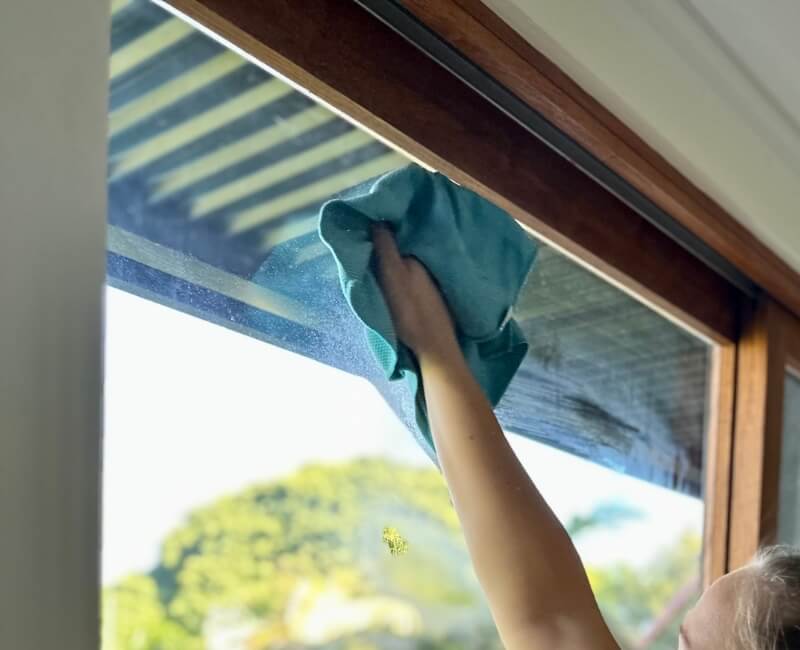
Streaks or cloudiness are also big issues when it comes to washing your windows. The same goes for mineral deposits or spots, which build up with repeated exposure to hard water.
Castile soap may track residue on your windows, especially if you clean during a warmer time of day — the solution could dry too fast to be fully wiped off. It’s also less effective at removing mineral deposits.
White vinegar or a commercial glass cleaner are both better at cleaning windows and dissolving hard water spots, giving you a streak-free finish.
Anything that needs disinfecting
Castile soap is a useful cleaner, but it’s not a disinfectant and isn’t antibacterial! While it can mechanically remove germs through scrubbing, it won’t kill them. Mixing it with essential oils won’t give it sanitising properties, either.
If you do need to disinfect a surface (like after someone was sick or handled raw meat), use proven disinfectants like rubbing alcohol and 3% hydrogen peroxide.
FAQs About Cleaning with Castile Soap
Have more questions about using Castile soap for household cleaning? We’ll answer some common ones here.
Do you have to rinse off Castile soap?
Yes, you should rinse Castile soap off surfaces after cleaning!
Like most soaps, it can leave a residue behind that should be washed off with water or mopped away with a damp cloth.
What are other household uses for Castile soap?
Beyond household cleaning, you can also use Castile soap in liquid form as:
- Hand soap
- Body wash
- Hair shampoo
- DIY foot scrub
- Makeup brush cleaner
- Fruit and vegetable rinse
And if you dilute 1/4 cup of Castile soap in 1 litre of water, you get a homemade ant repellent spray.
What is equivalent to Castile soap in Australia?
Castile soap is sold under the same name in Australia!
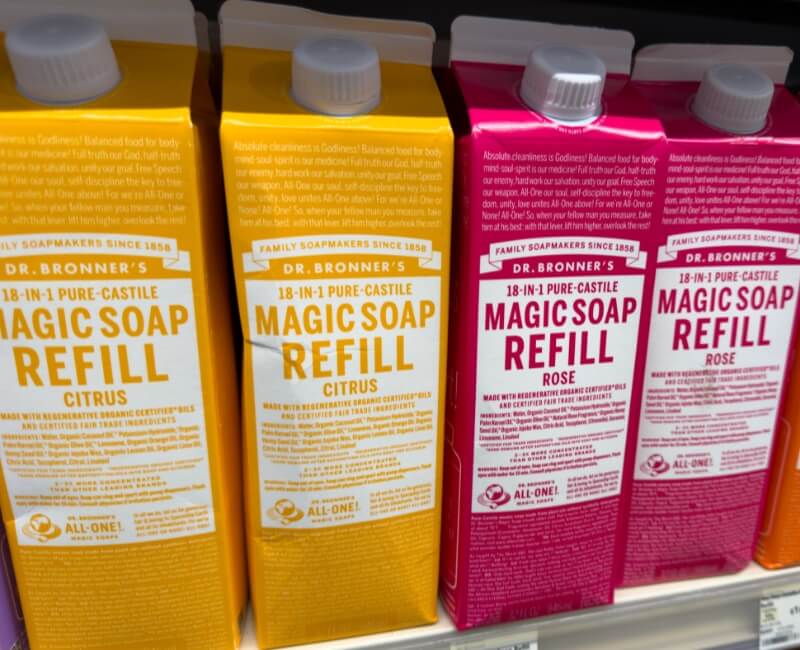
It’s sold by major brands like the Australian National Soap Company and Biome, or you can find products like Dr Bronner’s sold online, at the chemist, or at the shops.
Should I use Castile soap or vinegar for cleaning?
Both Castile soap and white vinegar are versatile, natural cleaners, but they have different use cases.
Here’s a quick rundown of when it’s best to use either product:
| CASTILE SOAP | VINEGAR |
|
|
Vinegar is also useful for getting rid of any residue left after you’ve cleaned with Castile soap.
But don’t use them together, or the vinegar will break down the oils in Castile soap to create a sticky residue — and leave you with even more cleaning up to do.
