
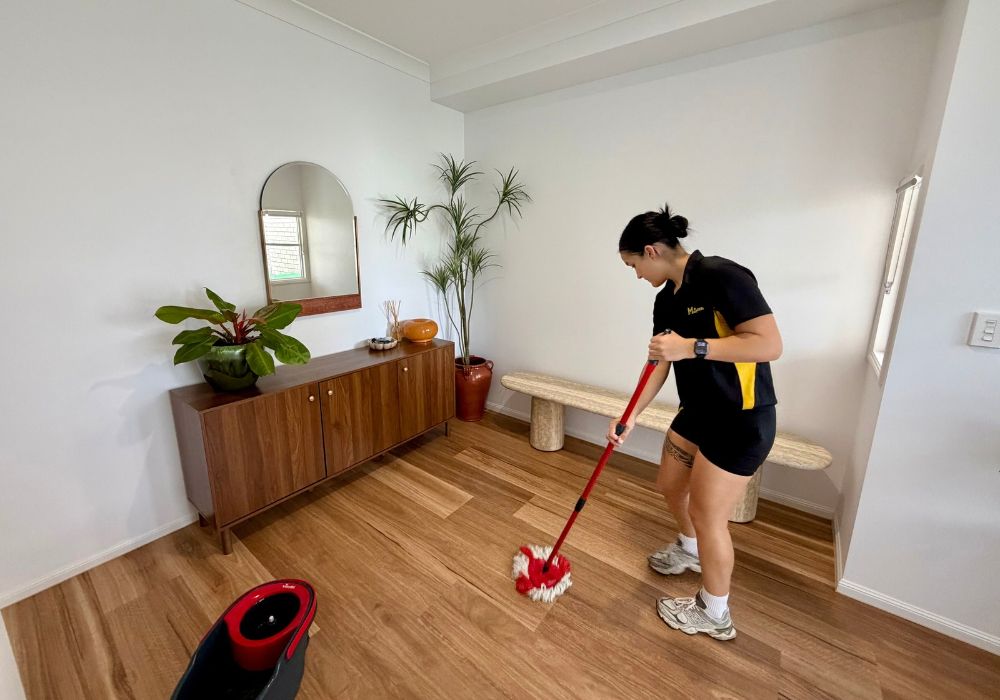
You’ve just spent half an hour mopping the floor. But instead of a clean, sparkling finish, it’s now covered in hazy streaks.
That can be frustrating, but the good news is that it’s easy to fix!
Most of the time, the streaks on your floor are caused by something simple. Maybe you used too much detergent, applied the wrong product, or didn’t rinse the mop often enough.
Once you know what’s to blame, you can mop the floor again using the right technique and cleaning solution.
Below, we’ll cover the most common reasons your floors look streaky after mopping, how to fix each one, and how to keep them shiny!
Why Does My Floor Look Streaky After Mopping? | Before Cleaning | How to Clean Streaky Floors | What if Your Floor Is Still Streaky After Re-Mopping?
Quick Guide: Streaky Floor Causes and How to Fix Them
Not sure what’s causing those annoying streaks after you mop? Use this guide to find the likely cause and the solution:
| WHAT YOUR FLOOR IS SHOWING | MOST LIKELY CAUSE | HOW TO FIX IT |
| Dark or muddy streaks | Not vacuuming before mopping; using a dirty mop (or dirty mop water) | Vacuum first; re-mop with a clean mop and warm, soapy water |
| Cloudy or hazy finish | Residue from cleaning products | Re-mop with an appropriate solution for your floor; use warm to hot water to rinse |
| Water spots or patchy marks | Using a too-wet mop; not drying the floor after mopping | Clean the floor again with a lightly damp mop, then buff dry |
| Chalky white spots | Hard water minerals | Mop again with a vinegar solution; use distilled or filtered water for rinsing |
Why Does My Floor Look Streaky After Mopping?
Streaky floors are often caused by a small mistake somewhere in the cleaning process, from skipping vacuuming to using too much soap.
And if your floor feels sticky after mopping, the same issue could be behind that, too.
1. Mopping a dirty floor
This is one of the most common reasons your floor can end up streaky even after mopping.
When you mop without sweeping or vacuuming first, any loose dust, grit, or debris is caught under the mop. It can even mix with your water when you rinse the mop head.
So instead of lifting the dirt, you’re just spreading it all over the floor!
Also, any remaining stuck-on residue (like dried food) on the surface isn’t always removed on the first pass. Wiping over it can smear the grime across the surrounding area.
All of that leads to dark, muddy, or hazy streak marks on the floor.
2. Residue from cleaning products
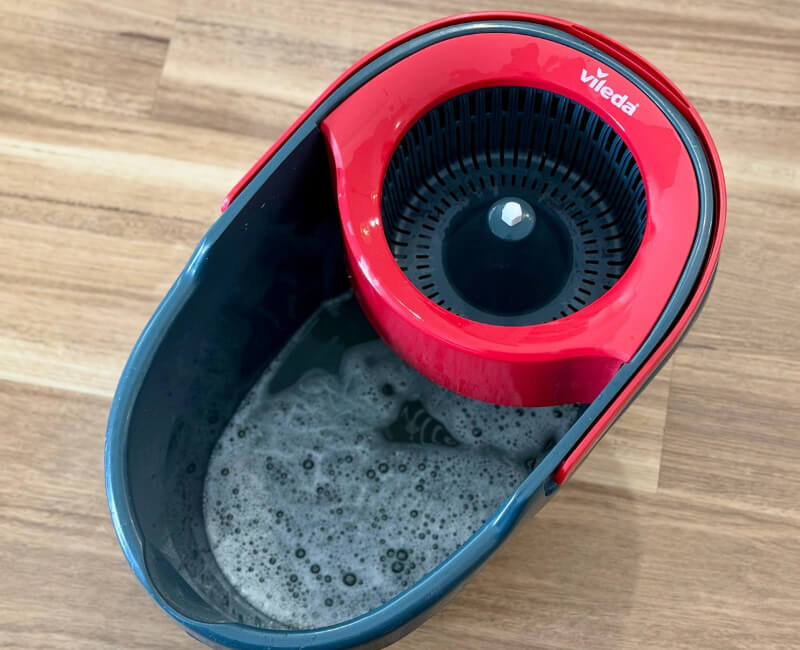
If your floor is cloudy after mopping but there’s no obvious dirt, leftover cleaning product is probably the cause.
When light hits the floor, some areas might look hazy while others appear shinier.
That’s usually caused by:
EXCESS CLEANER: Too much soap or cleaning solution can be difficult to rinse away. Any remaining detergent leaves a cloudy layer as it dries.
WAX-BASED PRODUCTS: You might see these advertised as “mop and shine” products. They give the floors an instant shine by coating the surface with acrylic polymers or wax. Unfortunately, these layers build up over time and trap even more grime.
INCOMPATIBLE PRODUCT: Using the wrong product can make your floor look even dirtier. For example, oil-based polishes suit unsealed or oil-finished timber, but leave a greasy film on sealed timber, tile, laminate, or vinyl floors.
3. Improper mopping technique
Sometimes, it’s not the product you use, but how you mop!
A few common mistakes can leave streaks on your floor:
DIRTY MOP OR WATER: Not washing the mop head before use (or rinsing it with murky water) simply pushes grime around.
NOT RINSING AFTER MOPPING: Any leftover product that wasn’t rinsed off dries onto the surface and leaves streaks.
TOO MUCH WATER: If your mop is soaked, the excess water will pool in some areas. That often leaves water spots, especially if the surface isn’t wiped dry afterwards.
THE WRONG MOP (or using it the wrong way): String mops, for example, hold more water and are harder to wring out compared to flat mops. However, even other mops can leave streaks if they’re oversaturated or not rinsed properly.
INCORRECT STEAM MOPPING: A soiled pad won’t pick up dirt effectively, and adding detergent to the tank leads to residue. A high steam setting can also release more moisture than the surface needs, which creates water marks.
4. Hard water minerals
Not all streaks are caused by anything you did wrong while mopping. In some homes, the water itself can cause the floor to look streaky!
Hard water carries minerals like calcium and magnesium, which remain behind as the water evaporates after you mop.
They create chalky or whitish marks on the floor, much like the spots that appear on glassware or shower screens.
And unfortunately, this can still happen even when your mop and water are both clean.
Before Cleaning Streaky Floors
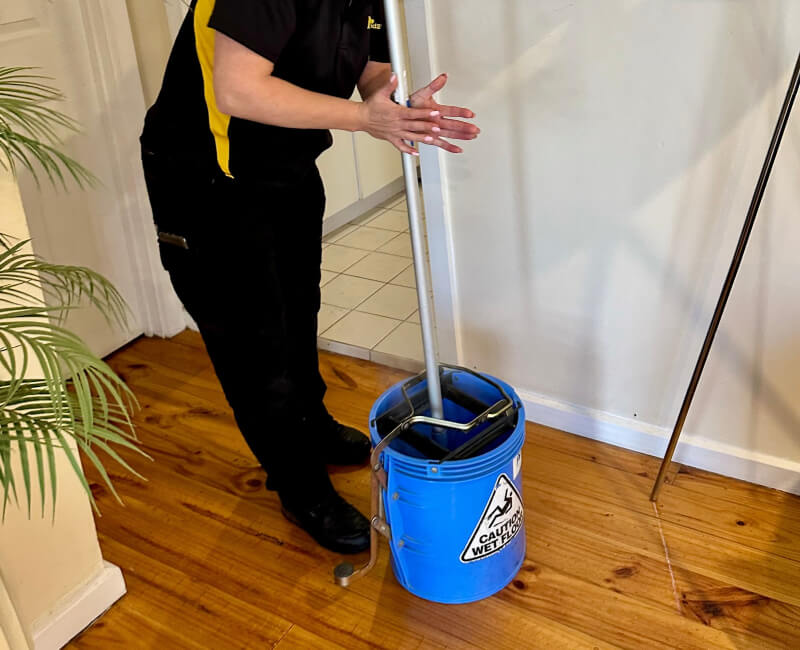
Before you re-mop, gather what you need for cleaning — mainly your mopping solution and mop. Both make a big difference to whether your floor dries clear or streaky.
Preparing the cleaning solution
There’s no need to reach for harsh cleaning chemicals when mopping! All you need to get streak-free floors is a bucket of warm, soapy water (½ tsp dish soap with 3 litres of warm water).
It suits most materials, including delicate ones like linoleum, natural stone, and hardwood.
Looking for something stronger to cut through heavier buildup? Here’s what to use:
| FLOOR TYPE | WHAT TO USE TO REMOVE STREAKS |
| Tile (ceramic or porcelain) | Diluted rubbing alcohol (¼ cup alcohol and 3 litres warm water) or a tile cleaner |
| Vinyl or laminate | Vinegar solution (1 cup vinegar with 3 litres warm water) or diluted rubbing alcohol |
| Linoleum | A pH-neutral floor cleaner |
| Timber or hardwood floors | A pH-neutral product for wooden floors |
| Natural stone (marble, limestone, slate) | A pH-neutral stone cleaner, diluted rubbing alcohol, or methylated spirits (1:10 metho and warm water) |
Diluted white vinegar works well on streaky laminate and vinyl floors. Its mild acidity helps dissolve leftover soap, chemical residue, and mineral deposits.
You can also use vinegar on tiles, but only when necessary, as repeated exposure to acid weakens cement-based grout. Keep it off timber and natural stone, too, because it can dull or etch the finish.
Whenever you’re in doubt, test your method on a small, hidden spot first. With store-bought products, read the label to confirm that they’re safe for the surface, then follow the directions closely.
Choosing the right mop
When choosing the best mop to use, look for one that’s easy to wring out, like a spin mop or a microfibre flat mop.
Some mops also come with dual buckets, which let you separate the mopping solution and the rinse water. This helps keep the solution and the water clean as you work.
A steam mop is a good option, too, but fill the tank with just water; do not add any floor cleaner or detergent. Start with a fresh pad and use the right setting for your floor. You’ll usually find it in the steam mop’s manual or your flooring manufacturer’s care guide.
Remember that some surfaces — like laminate, vinyl, or unsealed timber — should not be steamed, as the heat and moisture can damage them.
How to Clean Streaky Floors
Whether it’s a dull laminate or a streaky hardwood floor, the key is getting your cleaning and mopping techniques right.
If you skipped vacuuming, let the surface dry completely first. Otherwise, you can re-mop straight away using the right solution for your flooring.
1. Remove dust and stuck-on residues
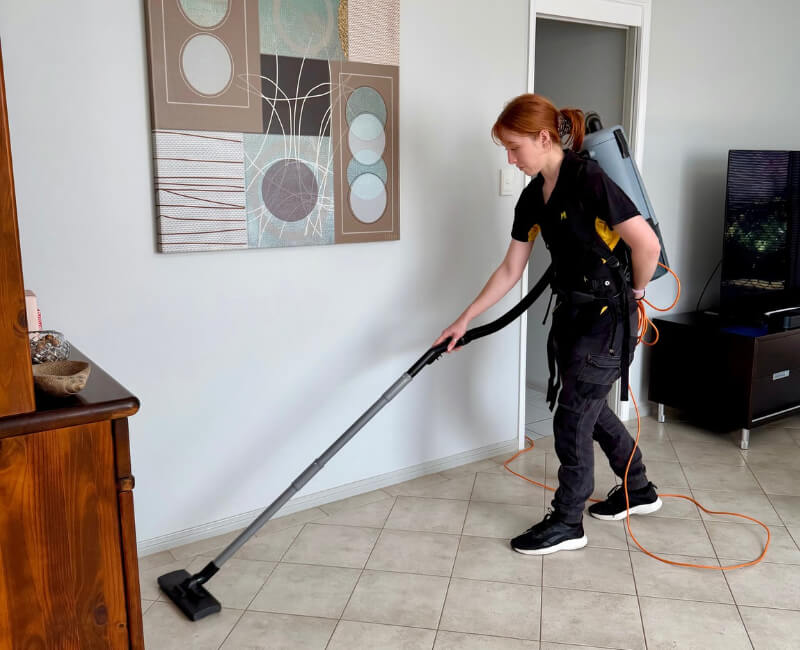
Clear loose dirt and grit from the floor using a broom or a vacuum. A microfibre dust mop works well too, especially for trapping very fine particles.
Pay extra attention to edges, corners, and under furniture, where dirt tends to collect.
Next, spot clean stuck-on residue or stains. Carefully lift any hardened bits with a plastic spoon or scraper. Avoid using a knife or anything metal to prevent scratches.
Scrub the remaining marks with a damp cloth dipped in soapy water or a thick baking soda paste (2:1 baking soda and water). On natural stone or timber, test the paste on a tiny area first.
Once the surface is clear, your mop can tackle the streaky residue instead of pushing loose debris around.
2. Mop the floor thoroughly
Follow the two-bucket method when mopping: fill one bucket with your cleaning solution and the other with clean water.
Lightly dampen your mop, then wring it out well so it isn’t dripping.
For hardwood or laminate, mop along the length of the boards. Start at one edge of the room and move across in sections to cover the entire surface without missing any areas.
Check the mop head or pad occasionally. Once it becomes dirty, wash it thoroughly with plain water before dipping it back into the solution. You can also switch to a fresh pad, especially when cleaning larger areas.
Replace the water in either bucket as soon as it turns cloudy.
3. Rinse and dry the floor completely
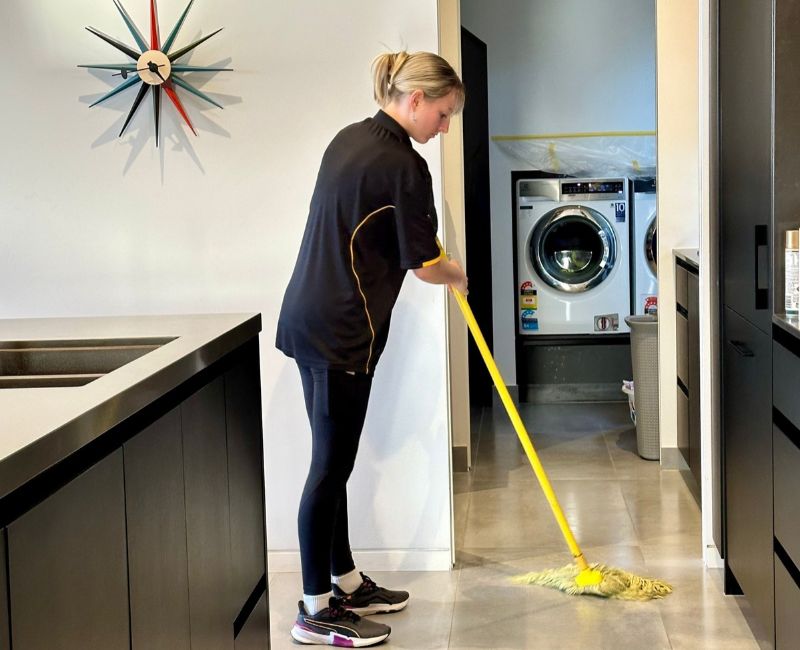
To get rid of streaks after mopping, empty your rinse bucket and refill it with clean, hot water (around 50°C, or the maximum temperature of your hot tap).
For hardwood, laminate, linoleum, or vinyl, opt for lukewarm water to protect the finish and the adhesive underneath.
Filtered or distilled water is recommended if you’re dealing with spots left by mineral deposits.
Dampen your mop, squeeze out the excess moisture, then go over the surface to remove any residue from the cleaner.
Finally, buff the floor dry with a separate mop or microfibre cloth to get a streak-free finish. You can also use a fan to speed up drying.
TIP: If the floor dries before you can rinse it, work in small sections. Rinse and dry each area before moving on to prevent soap residue and water marks.
What if Your Floor Is Still Streaky After Re-Mopping?
If streaks remain on the floor after a full re-mop, you’re looking at one of three things:
- Stubborn soap or mineral residue
- A buildup of floor wax or polish
- A damaged finish
Leftover detergent or hard water minerals sometimes need multiple rounds of cleaning. Mop again with the appropriate solution for your floor, then rinse with warm water. Repeat two or three times if needed.
However, wax or polish buildup needs a different approach. Lighter layers may come off with diluted vinegar, but for thicker residue, a specialised polish or wax remover made for your flooring material is more effective.
Polish removers contain strong chemicals, so keep the room well-ventilated, wear gloves and a mask, and don’t combine them with any other cleaner. Refer to the label for how to apply them and how long to leave them on. Some products also require a gentle scrub before rinsing and drying.
Finally, marks that stay no matter how much you clean point to damage rather than residue.
The floor’s protective coating or sealant may already be worn over time, or it might have been degraded by an unsuitable cleaning product. This is more common with delicate flooring materials. For example, methylated spirits should not be used on varnished hardwood, and acids like vinegar can etch natural stone.
In that case, you’ll need to contact a specialist for repair or restoration.
How to Avoid Streaky Floors
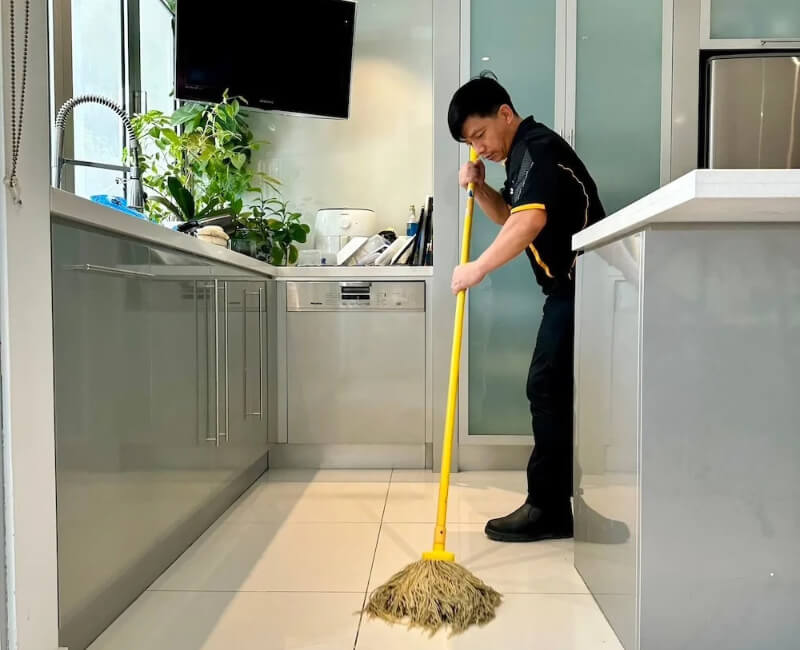
A few good habits keep your floors shiny and streak-free after mopping!
Stay on top of dust and grime by vacuuming at least once a week. The less grit on the floor, the less likely it is to end up smeared when you mop.
Mop the floor weekly and clean the mop once you’ve finished. Most mop pads are machine washable, so it’s easy to keep them fresh. If you’re using a steam mop, wash the steam mop pads after use, too.
For tiled floors, scrub the grout lines about once a month with a soft brush and baking soda paste. This helps prevent built-up dirt from being spread around.
Keeping your floor’s protective finish in good shape is a must, too. A worn coating dulls faster and shows streaks more easily.
Timber usually needs recoating every 3–5 years, while natural stone needs resealing every 1–2 years. If you drop a bit of water and it soaks in instead of beading on the surface, it’s time to call a professional.
Tired of looking at streaks? Let an expert house cleaner take the vacuuming and mopping off your to-do list. Our cleaners use the right products and cleaning techniques, so you can come home to spotless floors!
