
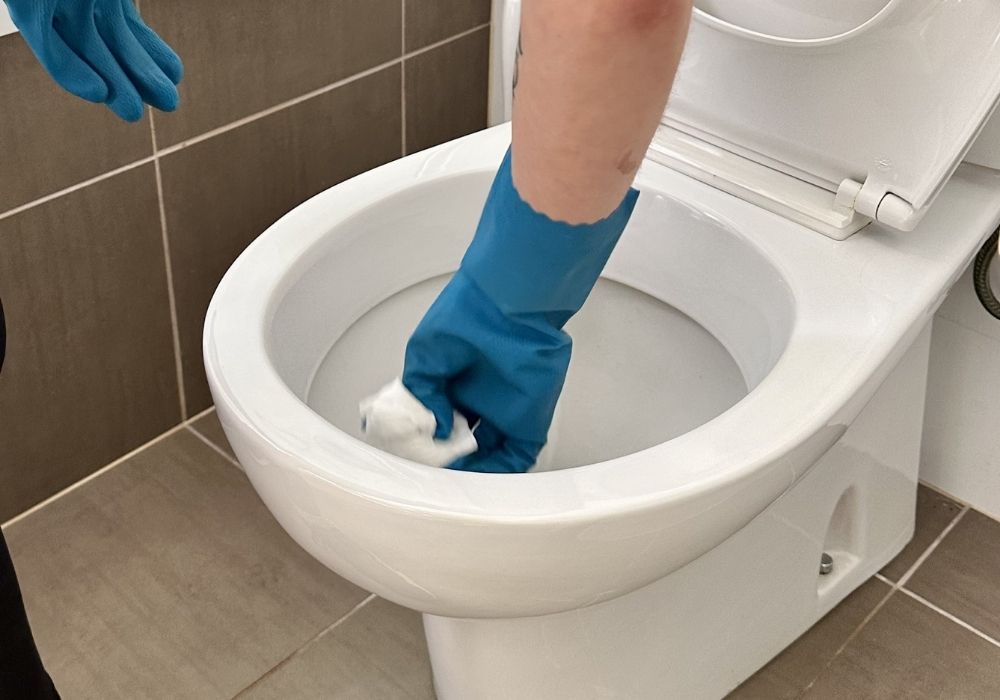
No one likes a stinky toilet inside their home. It’s no fun walking into the bathroom, only to get a face full of funk.
The first solution should be to give the dunny a good scrub, of course. But what happens if you’ve already done that and the odour still lingers?
Common reasons why your toilet smells bad even after cleaning include:
- Lack of flushing
- Inadequate cleaning
- Poor ventilation
- Dirty toilet tank
- Mould or bacteria
- Clogged toilet drain
- Dry P-trap
- Broken wax seal
- Broken toilet flange
- Sewer gases
If your toilet smells like urine or something else unpleasant, act quickly! Urine luck (ha!) since we’ve put together this guide on the usual causes and how to fix them.
Are All Toilet Smells Bad?
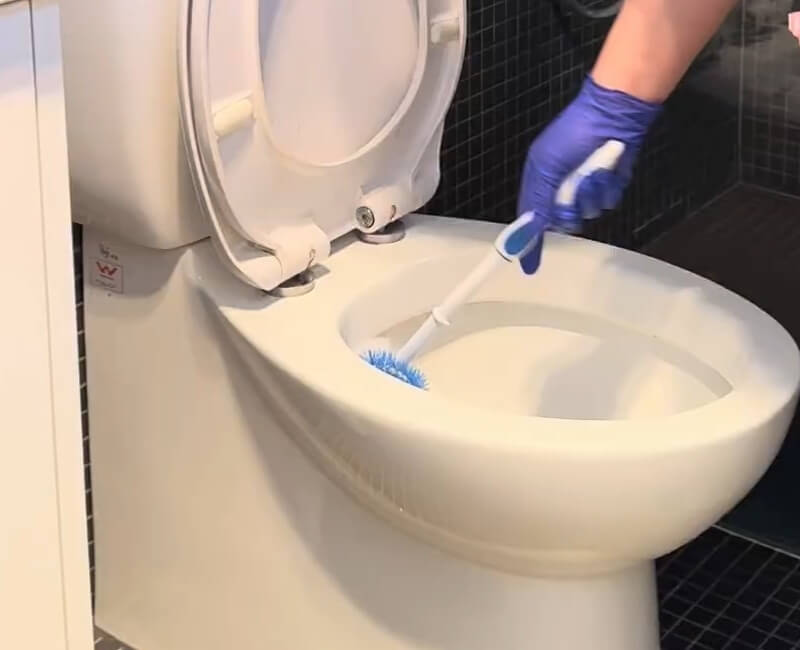
Some mild odours around your toilet are normal, since they’re part of what it does. No one’s toilet smells like roses all the time!
However, strong, persistent, or unusual odours — especially after a thorough clean — can point to a deeper issue. A musty smell could be bacteria in the toilet tank, while a pee smell might indicate poor cleaning.
Bad smells from a toilet aren’t just unpleasant, either; they can also be a hazard. A “rotten egg” smell, for example, comes from the hydrogen sulphide in sewer gases. It’s produced when bacteria break down waste in your plumbing.
In high concentrations or prolonged exposure, sewer gases cause dizziness, headaches, and nausea. Serious cases may lead to shortness of breath or heart palpitations.
The gases are also flammable, so tackle unusual smells immediately and ventilate the room if you suspect a sewer gas leak.
Why Does My Toilet Still Smell After Cleaning?
Regular cleaning should keep your toilet smelling fresh. But if you’ve already scrubbed it and there’s still an unpleasant odour, there could be a few reasons, from missed dirty spots to a mechanical problem.
When working on your toilet, always wear protective gear (like rubber gloves) and work in a well-ventilated space.
1. Lack of flushing
First things first, check inside the toilet! It’s possible your toilet smells like urine because someone forgot to flush, like a little kid who’s still learning how to use the big toilet.
While it’s fine not to flush every time to conserve water, you also shouldn’t leave urine standing for too long. Otherwise, the scent builds up, and the urine can even create toilet stains.
How to fix it:
Flush the toilet! Then switch on the exhaust fan or open the windows to air out the bathroom and get rid of the urine smells.
For small kids, put an easy-to-read sign by the toilet to remind them! That’ll help build good bathroom habits.
2. Poorly-cleaned toilet
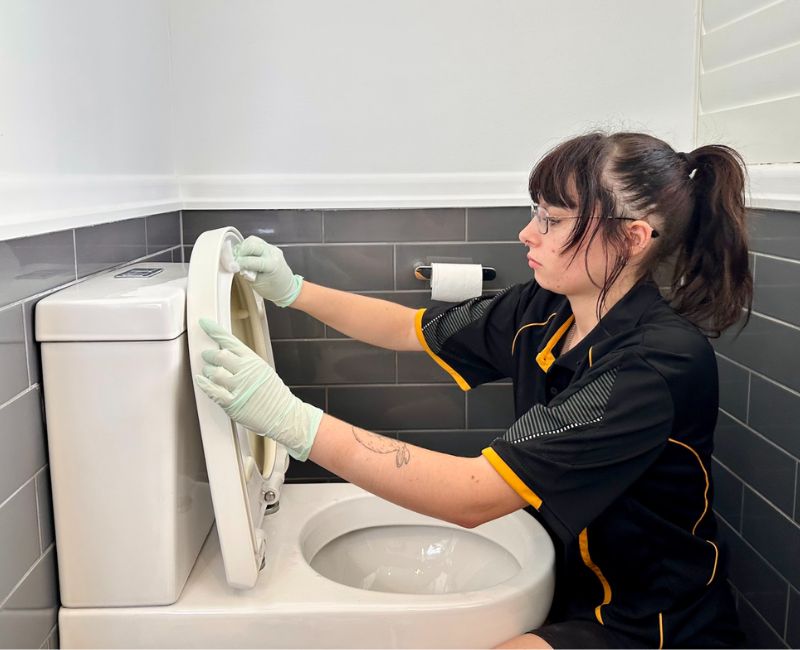
You may have missed spots when cleaning the toilet, especially under the toilet rim and the rim jets (the small holes that release water during flushing). Grime, mineral deposits, or even bacteria can accumulate and cause foul smells.
Other problem spots include under the toilet seat or along the hinges. In areas with hard water, the minerals build up and harbour odour-causing bacteria.
It’s also possible your toilet cleaner is the issue. It might be expired or simply ineffective at breaking down organic compounds, leading to bad toilet bowl smells.
How to fix it:
Always give your toilet a thorough cleaning! Don’t just scrub the bowl; get into all the nooks and crannies, down to the toilet seat hinges.
Be sure to use a good-quality toilet cleaner for the bowl, and an effective all-purpose cleaner or disinfectant for the exterior surfaces.
3. Poor ventilation
If your toilet and bathroom smell musty or stuffy even with cleaning, the culprit may be poor ventilation.
Bathrooms are naturally humid spaces, especially after showers or baths.
Without proper air circulation, the moisture lingers on surfaces, including your toilet bowl and tank. Odours also become more concentrated and persistent.
How to fix it:
For the toilet, open the lid to allow air to circulate. Then open the windows and any exhaust fans to create cross ventilation so odours can disperse.
In the long-term, run the exhaust fan while using the bathroom and 10–15 minutes afterwards. A dehumidifier will also help lessen moisture in the air. Both contribute to clearing out moisture and odours from the room.
Also, make sure the bathroom exhaust fan is clean and functional! A clogged exhaust is less effective, so the room may be more humid and musty than it should be.
4. Dirty toilet tank
If your toilet smells bad even after cleaning and the bowl isn’t the issue, check the toilet tank (or cistern).
The dark, moist, and enclosed environment inside the tank allows bacteria or mould to thrive. Hot and humid weather contributes to the growth.
This not only leads to musty toilet odours, but could also become a health hazard.
How to fix it:
Pop open the toilet tank! If the bad smells get stronger, you’ve found the source.
Drain the tank and clean it with either white vinegar or a bleach-free cleaner. Vinegar will also tackle any hard water deposits.
For maintenance, deep clean the toilet tank once every 3 months (or at least twice a year).
5. Mould or bacteria buildup
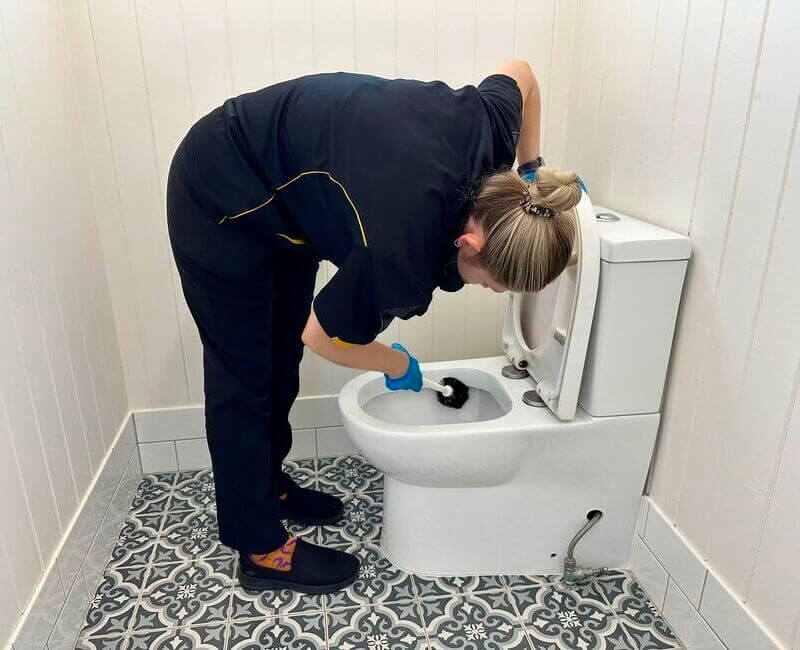
Mineral deposits, toilet stains, and other dirt often create an environment where mould or bacteria thrive. The organisms come through your pipes and settle inside the toilet.
Mould appears as patches of green, grey, or black growth. Meanwhile, bacteria often cause pink, orange, or reddish-brown film (especially along the water line or rim jets). You might also notice murky water or thin floating strands in the toilet tank — those are bacterial colonies.
Pink or orange film is particularly common and is caused by (generally harmless) Serratia marcescens bacteria.
How to fix it:
Identify whether the problem is mould or bacteria first, since your cleaning solution will be different for each!
Tackle bacteria with borax by coating the affected surface with the powder, then let it sit for a few minutes. Scour off the buildup afterwards with a toilet brush or scrub brush before rinsing.
For mould, use either undiluted white vinegar or 3% hydrogen peroxide. Do not mix them together or add anything except water.
To maximise contact, soak a few paper towels in a solution and spread them over the surface. Hydrogen peroxide needs to sit at least 10 minutes, while vinegar needs at least 1 hour.
Wash the surface with soap and water afterwards, then dry if needed (e.g. around the rim).
6. Clogged drain
If you can’t see any issues inside or around the toilet bowl, the smell may be coming from inside the plumbing — specifically, a clogged toilet drain. Excess toilet paper, sanitary products, and other foreign objects can all create a blockage.
In a partial blockage, your toilet then drains and refills more slowly. That prevents waste from fully flushing away or causes sewer smells to leak.
If the drain is fully clogged, though, the toilet may not flush at all or drain extremely slowly.
How to fix it:
There are homemade remedies to unclog a toilet, such as carefully pouring hot water down the drain.
You can also try a toilet plunger, drain snake, or commercial declogger!
7. Dry P-trap
The P-trap (or S-trap) is a curved pipe underneath the toilet that holds a small amount of water. It acts as a seal that prevents sewer gases from coming back up the plumbing system and escaping.
If your toilet smells like sewage, the P-trap may have dried out. This usually happens when the toilet sits unused for a long time, since the water evaporates and the gases get out.
Alternatively, a faulty fill valve may have prevented the bowl from refilling properly.
How to fix it:
Flush the toilet to refill the trap, then open the windows! The sewer gas smell should go away after a while.
For toilets left unused (like at a beach house), pour a tablespoon or two of mineral oil into the bowl after flushing. This will help slow down evaporation, though it won’t prevent it entirely.
Then, before using the toilet again, flush it or pour water into the bowl to clear smells or bacteria buildup.
8. Broken wax seal
The wax ring or wax seal is the seal between the toilet base and the sewer pipe. It prevents leaks and odours from escaping into the bathroom.
Wax rings may degrade over time, even durable ones. If the ring breaks, wears out, or peels off the floor, the sewer smell might get out. Bacteria can also accumulate around the seals and create an odour.
How to fix it:
Unfortunately, the only solution is to replace the wax ring. Check if the toilet base is detachable so you can access the ring inside.
Follow the package instructions on the replacement ring to set it in place. If compatible, consider a wax-free rubber ring since they’re reusable and wear down more slowly!
Take the opportunity to clean underneath the toilet as well, with a mix of white vinegar and water in a spray bottle. Dry the area thoroughly before reattaching the toilet, so you don’t risk mould growth.
If you don’t feel confident in removing the toilet, or you can’t detach it at the base, call a professional plumber.
9. Broken toilet flange
Toilet wax rings aren’t the only fixture that might cause problems. Bad smells can also come from a broken or cracked toilet flange.
The flange is the pipe that secures a toilet to the floor and connects it to the drain pipe. Dirty water passes through this fixture as it drains out of the bowl.
When the flange breaks, it begins leaking sewer gases and wastewater, leading to foul odours.
How to fix it:
Like the wax ring, you’ll also need to have the flange replaced.
Remove the toilet base so you can access the broken fixture, or let a plumber handle it.
10. Other causes of sewer gas
There are a few other reasons for a persistent sewage smell, such as:
- Loose or missing toilet bolts
- Cracked or damaged drain pipe
- Faulty, blocked, or cracked vent pipe
- Poorly-installed or missing toilet gasket
Cracked drain pipes are more common in older Australian homes with cast iron or clay plumbing.
If there are no mechanical faults, the problem may be with your main sewer line. In this case, it won’t just be one stinky toilet — multiple drains may have foul odours, and drains or toilets may bubble when other fixtures are used.
How to fix it:
If you suspect a mechanical issue with the toilet or something wrong with your main sewer line, it’s best to get professional help!
What If the Smell Isn’t From the Toilet?
Sometimes, the source of a bad smell isn’t in the toilet, but around it — specifically, in other areas of the bathroom!
Dirty rubbish bins
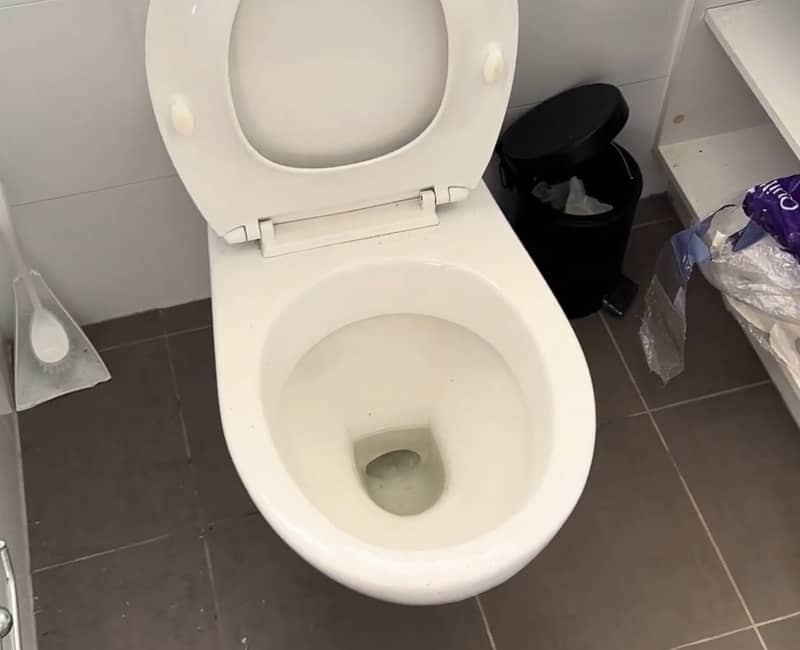
If you don’t empty and clean the bathroom bins regularly, they can build up a funky smell.
Empty the bins once they’re almost full, or earlier if you’ve disposed of something messy. Then use a disinfectant spray or all-purpose cleaner to wipe the bins clean before adding a new liner.
Urine messes in other spots
These are common in homes with small kids still being potty-trained, elderly adults with incontinence, or even people with fine motor issues.
Urine can spray or splash onto other surfaces, like:
- Nearby cabinets
- Toilet paper rolls
- Bath mats or rugs
- Bathroom floors or walls
Fortunately, it’s an easy fix! Wash away spills ASAP with a mop and a disinfectant spray. Do not use bleach, which has a toxic reaction with the ammonia in urine.
Be gentle and understanding with young kids or elderly adults. However, if someone was just lazy on the toilet, you’re welcome to give them some stink-eye!
Grime around the toilet
With toilet cleaning, you want to tackle the areas around the fixture as well. People often miss the space beneath the tank or between the toilet and wall, which can get pretty grimy.
Mop the area weekly with an effective tile cleaner, and wipe any spills or messes ASAP.
Preventing Bad Toilet Smells
The best solution to a stinky toilet is to prevent the odours in the first place!
While some things are out of your control (like a broken fixture), you can take steps to minimise the reasons a toilet might smell bad.
Make sure the bathroom is well-ventilated
Proper ventilation ensures that unpleasant odours dissipate, which helps keep your bathroom smelling fresh. It also contributes to minimising mould or mildew growth.
Run the exhaust fans while using the bathroom, and leave windows (or doors) open when possible. A dehumidifier helps if it’s an interior space.
Wipe the toilet after use
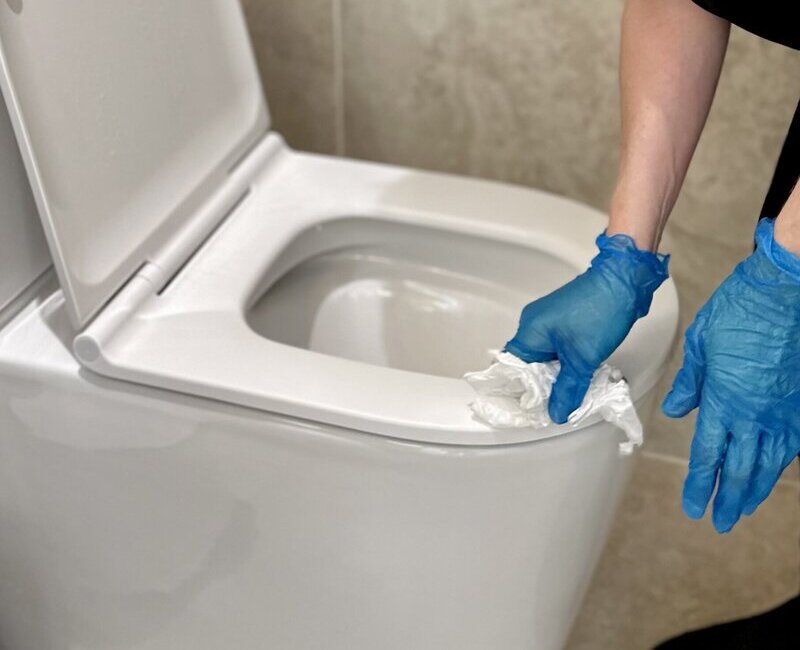
A quick wipe after use goes a long way to aiding toilet hygiene! Go over the seat with some toilet paper, or you can even keep a disinfectant spray or a pack of wipes handy.
For small kids, encourage them to tell you right away if they’ve had a potty accident. As they get older, teach them basic cleaning skills so they can tidy up after themselves.
Scrub the toilet weekly
Routine cleaning keeps your toilet odour-free and hygienic! Choose a good toilet cleaner with enzymes that break down organic matter, and a sturdy toilet brush.
Deep clean your toilet once a week to prevent odours and stains, and minimise the growth of mould or bacteria.
Also, don’t forget to wash the toilet brush and holder! Using dirty tools just spreads more grime around.
Maintain the toilet tank
Don’t overlook your toilet’s cistern! A mild odour is expected since it’s wet and enclosed, but it shouldn’t smell bad, especially with regular cleaning.
Give the tank a good scrub every 3 months or so, and inspect the interior fixtures (seals, valves, and pipes) for any signs of degradation.
Keep the rest of the bathroom clean
Besides the toilet, clean the rest of your bathroom once a week!
Unpleasant smells can build up anywhere, so regular cleaning keeps your bathroom fresh.
Getting Rid of Toilet Smells: More to Know
Here are answers to a few more common questions about tackling a bad-smelling toilet!
Can I use bleach to get rid of toilet smells?
In general, it’s best to avoid using bleach to tackle toilet smells, especially from urine.
Bleach reacts with the ammonia in urine to create hazardous fumes (i.e. chloramine gas), which can irritate your eyes, nose, and throat.
If accidentally mixed, ventilate the room immediately and wait at least an hour before re-entering.
Should you need to disinfect your toilet, use 3% hydrogen peroxide or rubbing alcohol instead!
Do toilet tank tablets or drop-ins work?
You may find in-tank tablets that are meant to be dropped inside so they can “clean the water” and “mitigate smells.”
It’s better to avoid using drop-ins since they often contain ingredients that damage seals and other parts over time.
Stick to routine cleaning instead!
When should I call a plumber for a smelly toilet?
If the toilet odours are being caused by mechanical issues like a cracked vent pipe or a broken flange, it’s better to contact a professional plumber!
Improper repairs could void your warranty or even damage the toilet itself, and that’s a lot worse than an unpleasant smell.
